How Often Should Gutters Be Cleaned in Memphis?
Most Memphis homeowners should schedule gutter cleaning every six months, typically once in the spring and again in the fall. However, homes near mature trees, those with steeply pitched roofs, or those located in areas prone to heavy rainfall may require more frequent cleanings to prevent clogs, overflow, and structural water damage.
The U.S. General Services Administration advises cleaning gutters twice annually to avoid clogs and potential water damage. The U.S. Department of Energy notes that even a few inches of rainfall can produce thousands of gallons of runoff, more than enough to overwhelm a neglected drainage system.
In this guide, we’ll explore how Memphis’s climate, regional tree coverage, and typical home architecture affect the ideal gutter cleaning schedule.
General Gutter Cleaning Recommendations (US Guidelines)
The U.S. General Services Administration (GSA), along with leading federal and industry groups, recommends cleaning your gutters twice a year, once in late spring and again in late fall. These periods coincide with peak debris accumulation: spring brings pollen, blossoms, and seed pods, while autumn leads to heavy leaf and twig fall.
Beyond this general guideline, the GSA’s technical standards advise increased monitoring under certain conditions. Weekly checks are recommended during peak fall leaf drop, while monthly inspections in winter can help detect ice buildup or cold-weather blockages. Gutters should also be examined immediately after severe storms, especially those common in the Southeast.
This seasonal cleaning routine is supported by both the National Association of Home Builders (NAHB) and the National Roofing Contractors Association (NRCA), which warn against the structural risks of unmanaged water runoff, particularly to roofs, siding, and home foundations.
The U.S. Department of Energy adds that even light rainfall can generate thousands of gallons of rooftop runoff. Without a functional gutter system, this water may pool around the foundation, leak into basements, or erode soil, posing long-term threats to your home’s integrity.
While twice-yearly cleanings are a national standard, Memphis homeowners often face local factors that call for more frequent upkeep. These include dense tree coverage, frequent thunderstorms, high humidity, and clay-heavy soil that’s prone to drainage issues. In the sections ahead, we’ll explain how these Memphis-specific conditions impact the optimal gutter cleaning schedule.
Local Factors That Affect Gutter Cleaning Frequency in Memphis
Memphis’s humid climate, frequent storms, and dense regional tree cover create conditions that directly impact how often gutters should be cleaned. While national guidelines suggest cleaning twice a year, local environmental factors often call for more frequent maintenance.
1. Seasonal Weather Extremes
Memphis is known for intense spring and summer thunderstorms, which can dump several inches of rain in just a few hours. When gutters are blocked with magnolia leaves, oak pollen, or shingle debris, these sudden downpours often cause overflows that damage siding, fascia, or foundations.
2. Tree Coverage and Native Species
Homes surrounded by Southern Magnolias, Live Oaks, and Sweetgums face persistent gutter blockages. Magnolias drop large, leathery leaves year-round, while oaks and sweetgums release heavy pollen, tassels, and spiked seed pods in spring and fall. Properties in older neighborhoods with mature tree cover often require three or more cleanings annually.
3. Heavy Spring and Summer Rainfall
Memphis receives consistent rainfall from March through November, with peak storm activity in late spring and early summer. These extended wet periods mean gutters must remain fully operational for much of the year. Mid-season inspections are critical to prevent overflow and backup.
4. Freeze-Thaw Damage in Winter
Although Memphis has milder winters than northern cities, occasional freezes can trap debris in downspouts and cause ice blockages. When water can’t drain, it backs up under shingles or overflows near the foundation, increasing the risk of moisture intrusion.
5. Local Soil and Drainage Risk
Memphis’s soil is often a mix of clay and silt, which retains water and expands when saturated. Overflowing gutters that dump water near the home’s base can contribute to shifting foundations or basement leaks. Clean gutters help regulate foundation moisture and reduce structural risk.
6. Debris Type and Weight
Throughout the year, Memphis gutters collect a wide variety of organic debris: spring pollen and seed casings, summer storm twigs and roof grit, and dense, rain-soaked leaves in the fall. This material becomes heavy when wet, putting strain on fasteners and increasing the chance of sagging gutters or detachments.
How Seasons Influence Gutter Maintenance Needs in Tennessee
Tennessee’s climate, particularly in Memphis, presents unique challenges for residential gutter systems. Frequent thunderstorms, occasional winter freezes, and dense tree coverage contribute to consistent debris buildup and drainage issues. Understanding these local stressors is key to preventing clogs, water damage, and costly home repairs.
Winter: Ice Dams and Structural Stress
While Memphis winters are generally mild, sudden cold snaps can lead to freezing overnight and thawing during the day, especially after rain. If gutters are clogged with debris, trapped water may freeze and expand, stressing seams and brackets. This can lead to sagging gutters or water backing up under shingles, causing roof leaks and fascia damage. A thorough fall cleaning helps prevent these winter issues.
Spring: Rainfall and Seed Pod Accumulation
Spring in Memphis brings frequent thunderstorms and high pollen counts. Trees like oaks, sweetgums, and magnolias release seed pods, tassels, and sticky pollen that can quickly clog gutters and downspouts. Combined with strong spring downpours, this debris buildup can cause overflow and water pooling near the foundation. Cleaning gutters early in the season helps ensure your drainage system is ready for peak rainfall.
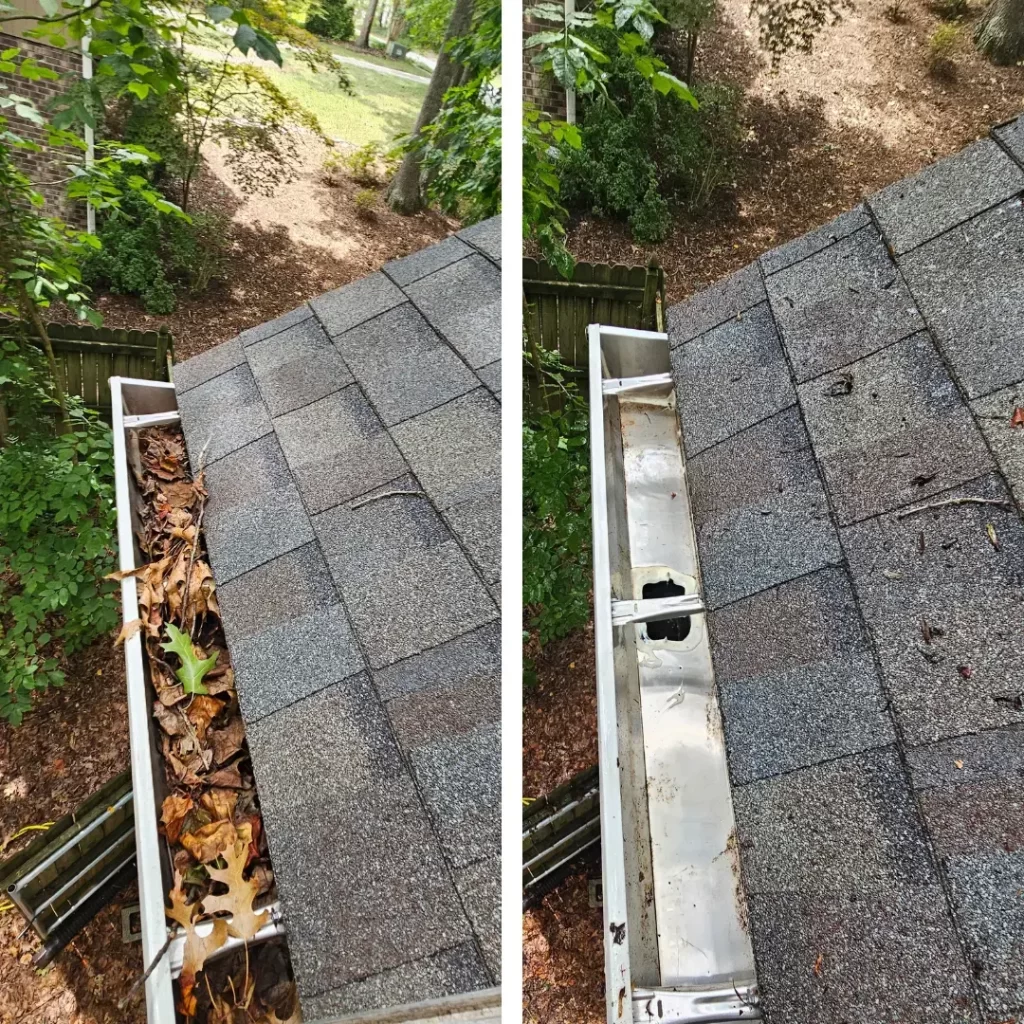
Summer: Storm Debris and System Strain
Memphis summers bring frequent thunderstorms with heavy rain, strong wind gusts, and flying debris. Even recently cleared gutters can clog after just one intense storm. Mid-summer inspections are essential, especially for homes with mature tree cover or multi-sloped roofs, to prevent sudden overflow and potential water intrusion.
Fall: Leaf Volume and Ice Risk Preparation
Autumn in Memphis brings dense leaf fall from oaks, maples, and magnolias, along with seed pods and twigs. This organic debris quickly absorbs rainwater, adding significant weight and placing stress on gutter brackets and seams. If left uncleared, it can freeze during cold snaps, increasing the risk of damage. A thorough gutter cleaning in late fall, typically around November, helps ensure your system is ready for winter.
How to Know It’s Time to Clean Your Gutters
Recognizing early warning signs of clogged gutters can help Memphis homeowners avoid costly water damage, foundation issues, and roof repairs. Below are the most reliable indicators that it’s time to clean your gutters:
1. Water Overflow During Rainfall
If water spills over your gutters during Memphis’s heavy thunderstorms instead of flowing through the downspouts, it’s a strong sign of blockage. Overflowing water can lead to foundation saturation, basement leaks, and soil erosion around the home.
2. Sagging or Pulling Away From the Roofline
Sagging gutters or ones detaching from the fascia often mean they’re overloaded with debris or holding standing water. This extra weight stresses the system and can eventually damage your roofline or siding if not addressed promptly.
3. Vegetation or Plant Growth
Spotting weeds, moss, or even small plants growing from your gutters indicates prolonged buildup of organic debris and moisture, clear evidence the system hasn’t been cleaned in a while.
4. Visible Debris or “Tiger Stripes”
Leaves, sticks, or shingle grit visible from the ground, along with dark streaks down the gutter face (commonly known as tiger stripes), point to water overflowing due to internal clogs. These stains form as dirty water spills over repeatedly.
5. Mold, Mildew, or Algae on Siding or Roof
In Memphis’s humid climate, trapped moisture from clogged gutters can cause mildew and algae to grow on shaded parts of your roof and siding, potentially leading to early deterioration and health concerns.
6. Soil Erosion or Pooling Water Near the Foundation
Properly functioning gutters should direct water away from your home. If you notice puddles, muddy areas, or signs of foundation cracks, it likely means your gutters are failing to manage runoff effectively.
7. Insect or Animal Activity
Standing water and damp debris attract mosquitoes, ants, and other pests. Birds and squirrels may even begin nesting in clogged sections. If you notice increased insect or animal presence around your gutters, it’s time for a cleaning.
Suggested Cleaning Schedules for Memphis Homeowners
Your ideal gutter cleaning schedule depends on your home’s tree coverage, roof design, and Memphis’s seasonal weather patterns. Use the following guidelines:
Twice-Yearly (Minimum)
When: March–April and November–December > Best for: Homes with light tree cover and no prior drainage issues
Three Times Per Year
When: Spring, late June (after pollen and seed drop), and late fall > Best for: Homes with Live Oaks, Sweetgums, or aging gutter systems
Quarterly (Every 3 Months)
When: Spring, summer, fall, and early winter > Best for: Properties with dense tree coverage, multi-sloped roofs, or a history of foundation or water problems
Post-Storm or As-Needed Cleaning
Trigger: After strong thunderstorms, heavy winds, or hail > Why: Memphis storms often scatter magnolia leaves, branches, and shingle grit into gutters overnight, leading to quick blockages
What Does Gutter Cleaning Cost in Memphis?
The average cost for gutter cleaning typically ranges from around $215 for smaller homes to over $329 for larger properties, depending on the total linear footage and the extent of debris buildup.
In Memphis, Clean Pro Gutter Cleaning typically charges around $2 per linear foot, with a minimum service fee that varies depending on the home’s size.
What’s The Best Gutter Cleaning Service in Memphis?
Clean Pro Gutter Cleaning is Memphis’s most trusted gutter service, known for fast scheduling, dependable results, and our proprietary AquaBlast system that clears even the toughest seasonal clogs.
With over 425 five-star reviews from Memphis homeowners and 24 years of local experience, our licensed technicians handle everything from spring pollen and seed buildup to heavy autumn leaf loads. Every visit includes a full gutter flush, downspout inspection, and water flow test to keep your system running smoothly through Tennessee’s stormy, humid climate.
✅ Appointments available Monday through Saturday, with service scheduled within 72 hours of booking
✅ Fully licensed and insured professionals based right here in the Memphis area
✅ Prices start at just $215, backed by our 100% satisfaction guarantee
Whether you’re managing post-storm overflow, foundation drainage concerns, or early winter freeze risks, Clean Pro delivers expert service to protect your home year-round.
Why Choose Clean Pro Gutter Cleaning?
A Personal Promise from Clean Pro’s Owner:
“Homeowners can count on me and my team at Clean Pro for exceptional results. We have been in business since 2001 and served Tens of thousands customer since that time. ”
– Jonathan D. Byrd I, Founder & CEO

Ready to Protect Your Home?
Save Big with Clean Pro Gutter Cleaning Today
Stop worrying about your gutters. Cleanings start at just $215, so everyone can afford it. Get the best gutter cleaning in Memphis, fast and hassle-free. At Clean Pro Gutter Cleaning, we have you covered!