Pittsburgh Gutter Cleaning
Satellite-Measured. Same-Week Service.
Quote in15 Minutes
PicturesSent
30 DayWarranty
No needTo Be Home
Flat-rate gutter cleaning from $249. Serving the Pittsburgh area. | Call: 877-736-0586
As Seen On





Clean Pro Gutter Cleaning Pittsburgh
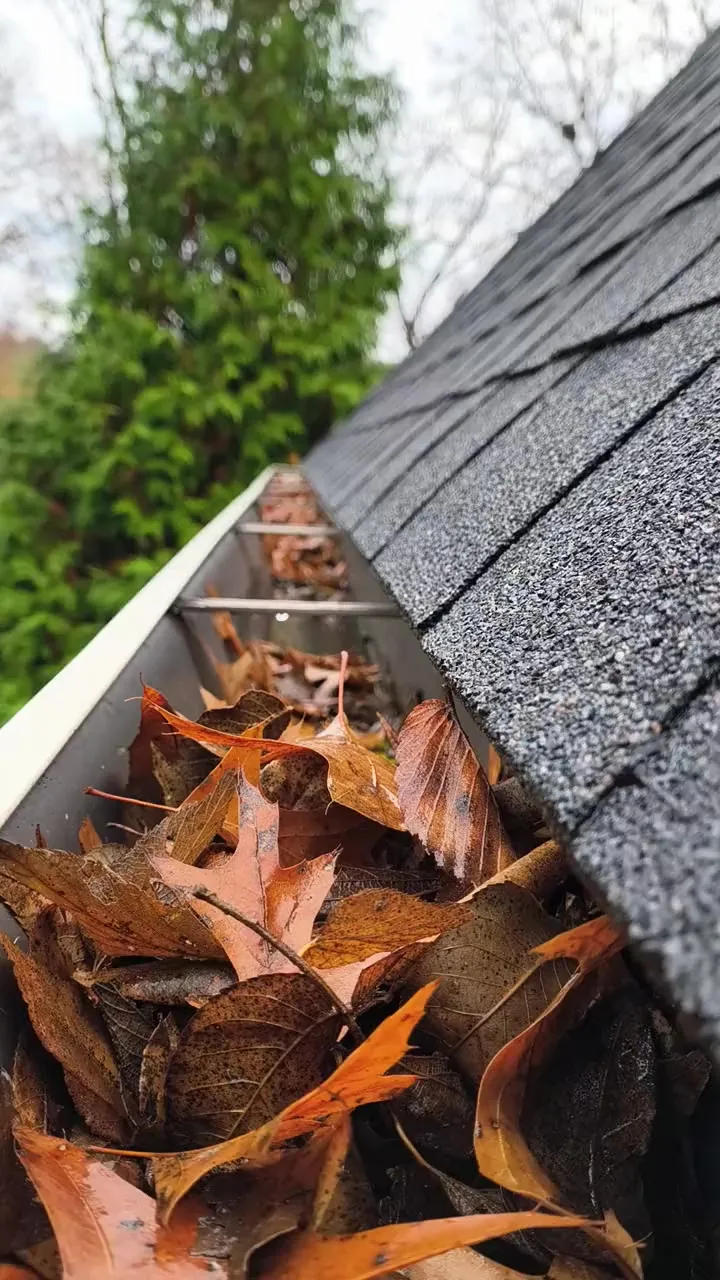
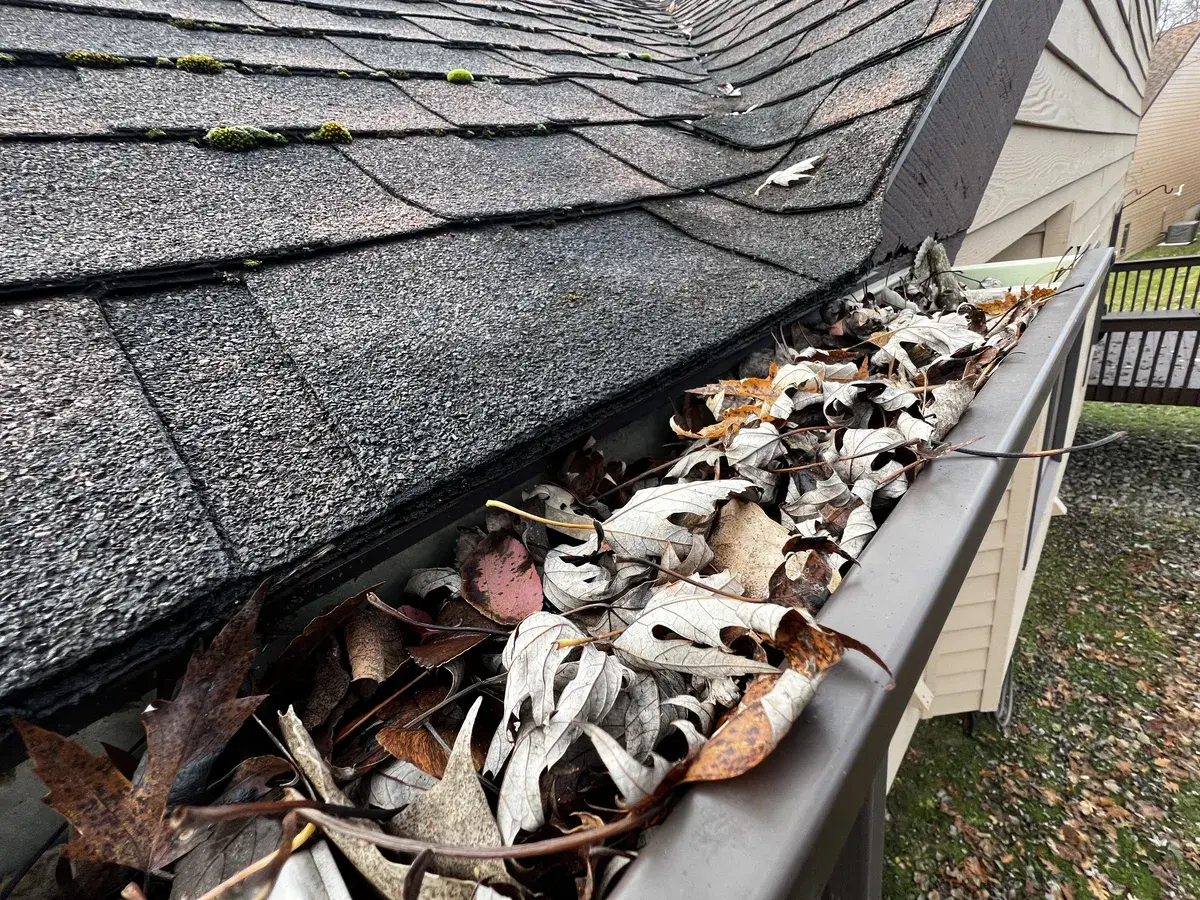
October foliage shedding from Highland Park Northern Red Oaks fills gutters rapidly. This biomass accumulation directs rainwater against the fascia board.
Our network of professionals covers the entire Pittsburgh metropolitan area, navigating the complex topography of the Three Rivers region to deliver reliable service.
Why Choose Us
Get Your Firm Quote in 15 Minutes
Request your free quote online
Get matched with local pros
Schedule at your convenience
Clean Pro Is Trusted in Pittsburgh
" Very professional, great customer service, completed the work and cleanup in a timely fashion. We will call them again "
Karen Engel
Pittsburgh, PA
" It was done the day after I called, no hassles or problems. Paying was easy. I appreciate the politeness of the contact person and the professionalism... "
Susan McConnell
Pittsburgh,, PA
" Wes was efficient and polite. I would definitely have him do work at my home again. "
Brian Broome
Pittsburgh, PA
Rated 4.9 stars by 3,701+ happy customers
Your Turn — Free QuoteGutter Cleaning for Pittsburgh Homes
Clean Pro provides binding flat-rates, not estimates, because we use aerial mapping technology.
Gutter Cleaning For Standard (Single Story)
Gutter Cleaning For Medium (Two Story)
Gutter Cleaning For Large (Estate)
Pittsburgh Gutter Maintenance Schedule
| Season | Recommended Window | Target Debris & Risk | Why It's Critical in Pittsburgh |
|---|---|---|---|
| Spring | Late May | Maple Samaras ("Helicopters") & Oak Catkins | Sticky pollen strings and spinning seeds form a felt-like mat that waterproofs screens, causing immediate overflow during Pittsburgh's wettest months (May/June). |
| Summer | Late August | Storm Debris & Spotted Lanternfly Honeydew | Standing water breeds Asian Tiger Mosquitoes within days; sugar-rich honeydew from Lanternflies coats gutters, attracting stinging pests and accelerating aluminum corrosion. |
| Late Fall | Early December | Sycamore "Plates" & Wet Oak Leaves | Saturation swells Red Bed clay, cracking foundations; trapped water freezes overnight, forming ice dams that tear gutters from fascia boards during the winter freeze-thaw cycles. |
Spring
Recommended Window
Late May
Target Debris & Risk
Maple Samaras ("Helicopters") & Oak CatkinsWhy It's Critical
Sticky pollen strings and spinning seeds form a felt-like mat that waterproofs screens, causing immediate overflow during Pittsburgh's wettest months (May/June).Summer
Recommended Window
Late August
Target Debris & Risk
Storm Debris & Spotted Lanternfly HoneydewWhy It's Critical
Standing water breeds Asian Tiger Mosquitoes within days; sugar-rich honeydew from Lanternflies coats gutters, attracting stinging pests and accelerating aluminum corrosion.Late Fall
Recommended Window
Early December
Target Debris & Risk
Sycamore "Plates" & Wet Oak LeavesWhy It's Critical
Saturation swells Red Bed clay, cracking foundations; trapped water freezes overnight, forming ice dams that tear gutters from fascia boards during the winter freeze-thaw cycles.Key Takeaway
Schedule 3 annual cleanings during these seasonal windows: Spring (Late May), Summer (Late August), and Late Fall (Early December). These align with Pittsburgh's tree cycles and weather patterns, protecting your foundation, roof, and landscape from water damage and pest infestations.
Pine Tree Exception
If you have Pine Trees on your property (common in neighborhoods near mature pine trees), the standard schedule is insufficient. Pine needles bypass standard screens and create dense, localized dams that trap moisture year-round.
Recommended: Quarterly Service (Every 3 Months)
This prevents fascia rot and minimizes fire risk from accumulated pine needle buildup.
Serving Pittsburgh & Surrounding Areas
Primary Neighborhoods
Regional Coverage
Map will load when scrolled into view
Pennsylvania Service Network
Pittsburgh is part of our Pennsylvania gutter cleaning network. View all metro areas, service communities, and regional maintenance guidance.
View All Pennsylvania Locations Gutter Guard Protection in Pittsburgh
Property owners in Shadyside and Squirrel Hill North frequently require cleaning three times annually to remove Maple Samaras and Eastern White Pine needles. Surgical-grade stainless steel mesh prevents samara seeds from lodging in the gutter channel or bridging gaps effectively. See gutter guard pricing and installation details for Pittsburgh to obtain a firm quote for permanent protection at $22.50 per linear foot.
Why Clean Gutters in Pittsburgh?
The Pittsburgh Red Beds and Soil Hydraulics
The geological footprint of Pittsburgh is dominated by the "Pittsburgh Red Beds," a claystone formation known for high plasticity. This soil type acts like a sponge, expanding significantly when saturated and shrinking when dry. When gutters overflow near the foundation, they saturate this clay, causing it to exert immense lateral pressure against basement walls. This phenomenon, known as hydrostatic pressure, is the leading cause of bowing cinder block walls and shearing in older stone foundations common in neighborhoods like Lawrenceville and the South Side. A functioning gutter system is required to pipe water at least ten feet away from the home, preventing the soil from swelling against the structure. On steep slopes found in Mount Washington or Stanton Heights, this saturation creates a different risk. Excess water dumping from rooflines can lubricate the clay soil interface, leading to erosion or shallow landslides. Proper drainage is essential to maintain hillside stability.
Pittsburgh homes face unique challenges due to local soil and climate conditions.
The geological footprint of Pittsburgh is dominated by the "Pittsburgh Red Beds," a claystone formation known for high plasticity. This soil type acts like a sponge, expanding significantly when saturated and shrinking when dry. When gutters overflow near the foundation, they saturate this clay, causing it to exert immense lateral pressure against basement walls.
This phenomenon, known as hydrostatic pressure, is the leading cause of bowing cinder block walls and shearing in older stone foundations common in neighborhoods like Lawrenceville and the South Side. A functioning gutter system is required to pipe water at least ten feet away from the home, preventing the soil from swelling against the structure. On steep slopes found in Mount Washington or Stanton Heights, this saturation creates a different risk.
Excess water dumping from rooflines can lubricate the clay soil interface, leading to erosion or shallow landslides. Proper drainage is essential to maintain hillside stability.
Mold remediation from water intrusion can cost up to $30,000 according to Bob Vila's 2025 pricing data — more than 100x the cost of a single gutter cleaning.
Local Foliage and Debris Management
Local tree species create specific debris challenges for Pittsburgh homeowners.
The biological calendar in Allegheny County presents three distinct clogging seasons. In May, the immediate threat comes from Silver Maples and Oaks. These trees release "helicopter" seeds (samaras) and pollen catkins that form a felt-like, waterproof mat in gutter troughs.
This debris often goes unnoticed until the heavy thunderstorms of June cause immediate overflow. Autumn brings a heavy volume of biomass from Sycamores and London Plane trees, particularly in established neighborhoods like Shadyside and North Point Breeze. These trees drop large, plate-sized leaves that can bridge over the top of gutters, preventing water entry entirely.
Winter introduces the risk of ice dams. Pittsburgh's climate hovers around the freezing point, creating a constant freeze-thaw cycle. If gutters are clogged with wet leaves when the temperature drops, the trapped water freezes, forcing ice up under the roof shingles and tearing gutters away from the fascia boards.
Clogged gutters provide ideal breeding grounds for pests including mosquitoes and rodents.
Risks of Neglect
- Saturated debris weight pulling gutters from fascia
- Foundation damage from uncontrolled runoff
- Landscape erosion & water damage
Benefits of Regular Cleaning
- Prepare your home for winter weather
- Protect your home's foundation
- Stay current with 3x/year recommended schedule
October leaf fall is peaking in Pittsburgh — clogged gutters cause water damage and foundation issues.
Schedule October Leaf RemovalArchitectural Considerations and Safety
Properties in historic districts such as Shadyside and Schenley Farms often feature slate or clay tile roofing. These materials are brittle and cannot withstand foot traffic. Maintenance on these homes requires the use of ladder stabilizers or aerial lifts to ensure cleaning is performed from the eaves without damaging the historic roofing material. Newer construction in the northern suburbs like Wexford and Cranberry Township often utilizes steep-pitch architectural shingles. While these shed water quickly, they also accelerate the speed at which debris enters the gutter system. High-flow downspouts are often necessary to handle the volume of water generated during summer microbursts. For hillside homes, specifically those with "walk-out" basements where the rear elevation is significantly higher than the front, standard ladders are insufficient. Safe maintenance requires leg-leveling equipment to stabilize ladders on uneven, sloping terrain common to the region.
Cleaning Protocol
Inspection
Full assessment of roof, gutters, and downspouts for leaf accumulation, blockages, and fascia condition
Debris Removal
Hand removal of leaves, twigs, and debris from all gutter runs and downspout entries
Clear & Verify
Clear compacted leaf material and verify downspout throughput
Final Check
Verify all downspouts are clear and directing water away from foundation
Pittsburgh Gutter Cleaning FAQs
Ready to Protect Your Pittsburgh Home?
Protect My Home — Free Quote in Minutes