Greer Gutter Cleaning
Satellite-Measured. Same-Week Service.
Quote in15 Minutes
PicturesSent
30 DayWarranty
No needTo Be Home
Flat-rate gutter cleaning from $249. Serving the Greer area. | Call: 877-736-0586
As Seen On





Clean Pro Gutter Cleaning Greer
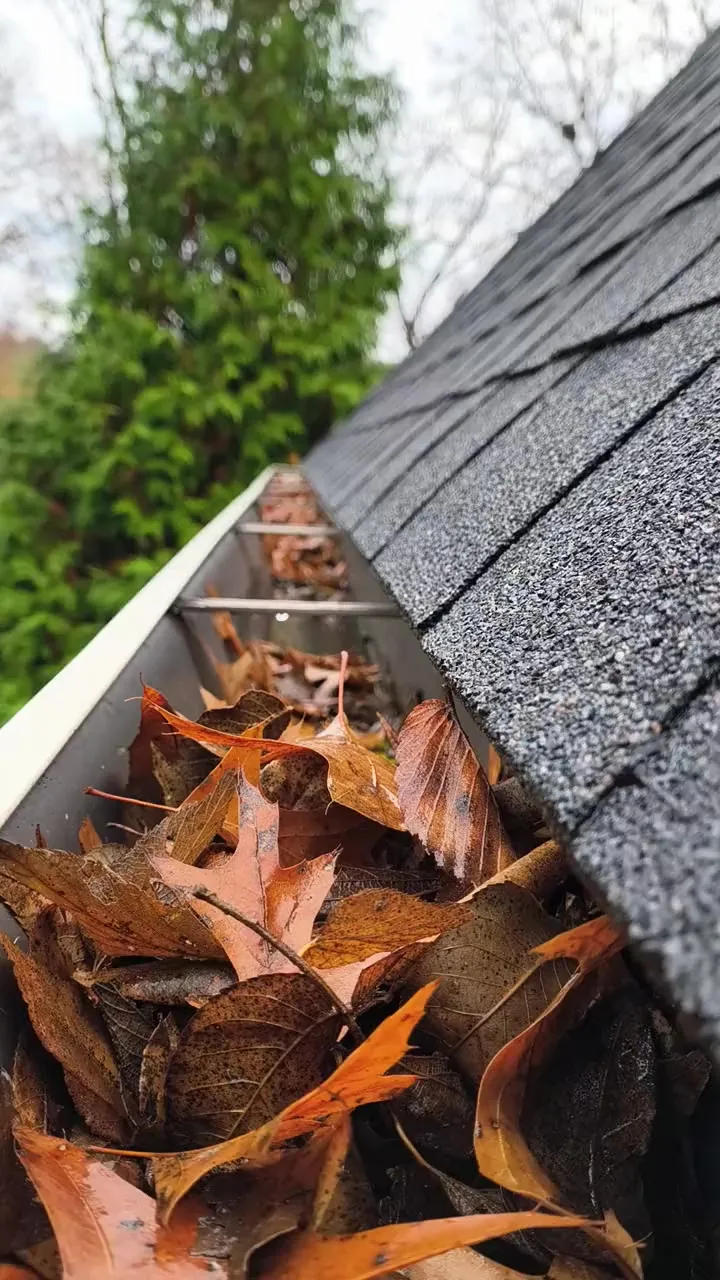
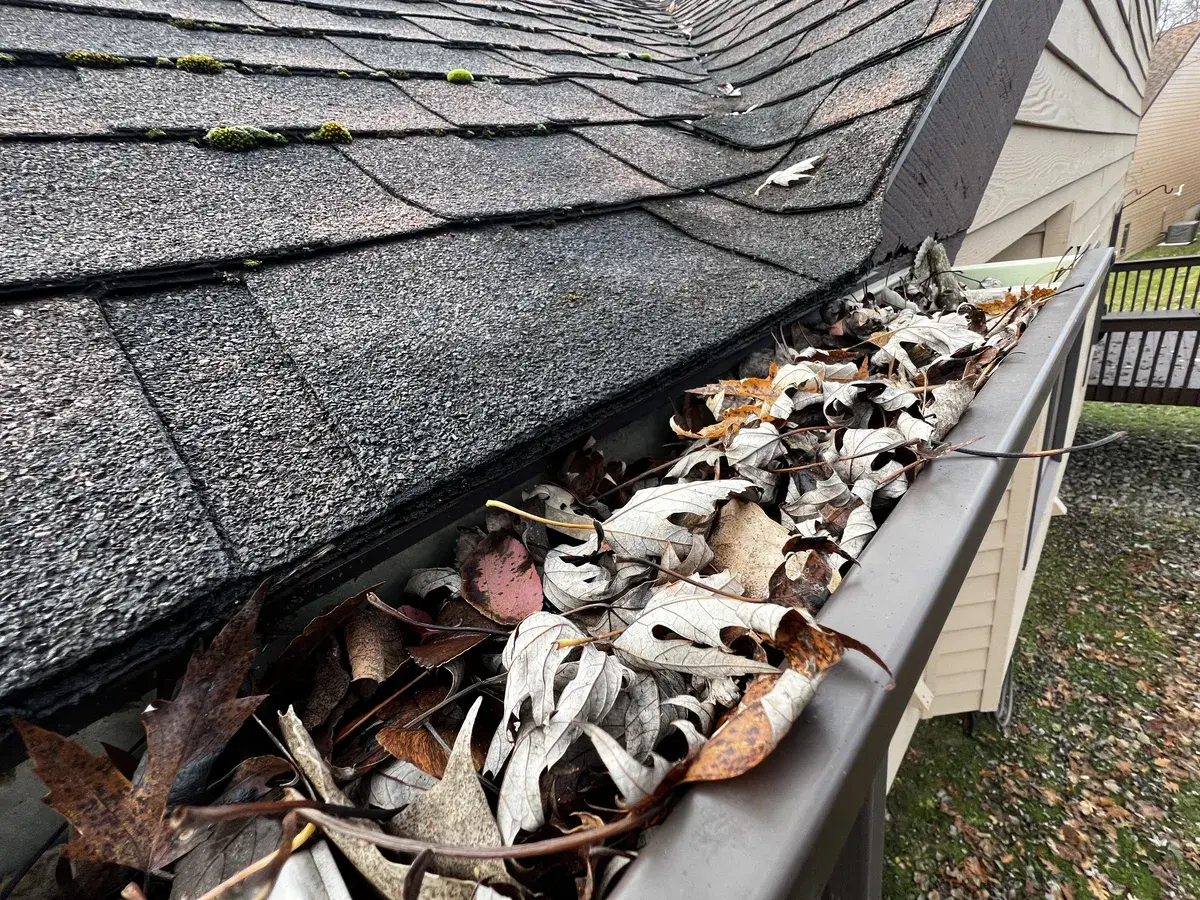
October triggers the primary deciduous shed across Thornblade estates. Large leaf volumes bridge gutter openings and force water behind the fascia board.
The service network covers the entire Greer municipal area and extends into the surrounding enclaves of Greenville and Spartanburg counties.
Why Choose Us
Get Your Firm Quote in 15 Minutes
Request your free quote online
Get matched with local pros
Schedule at your convenience
Clean Pro Is Trusted in Greer
" Great "
Leslie Williams
Greer, SC
" Very good and I am pleased. "
Suzanne Loder
Greer, South Carolina
" Excellent and efficient. "
Lauri Croce
Greer, SC
Rated 4.9 stars by 3,696+ happy customers
Your Turn — Free QuoteGutter Cleaning for Greer Homes
Greer clears Loblolly Pine needles and Sweetgum gumballs from clogged gutter troughs. Loblolly Pine blockage accelerates Cecil soil saturation and fractures slab-on-grade foundations.
Gutter Cleaning For Single-Story Standard
Gutter Cleaning For Two-Story High-Access
Gutter Cleaning For Multi-Level Estate
Greer Gutter Maintenance Schedule
Greer mandates 4 annual cleanings as Loblolly Pine shedding generates continuous debris accumulation throughout the year. This schedule prevents Cecil soil series saturation which protects Slab-on-grade foundations from destructive expansion.
| Season | Recommended Window | Target Debris & Risk | Why It's Critical |
|---|---|---|---|
| Spring | March – May | Southern Red Oak catkins and moss spores clog systems. | Overflow saturates Cecil soil series clay and damages foundation integrity. |
| Summer | June – August | Asian Tiger Mosquito larvae and Smoky Brown Cockroach nests fill troughs. | Accumulated debris weight damages fascia boards during Severe Convective Storms. |
| Fall | September – November | Sweetgum foliage and Southern Red Oak leaves trap moisture. | Water displacement accelerates Ultisol erosion and degrades Crawlspace vents. |
| Winter | December – February | Loblolly Pine needles and Sweetgum gumballs obstruct drainage. | Ice formation fractures downspout extensions and separates gutter seams. |
**Spring**
Recommended Window
March – May
Target Debris & Risk
Southern Red Oak catkins and moss spores clog systems.Why It's Critical
Overflow saturates Cecil soil series clay and damages foundation integrity.**Summer**
Recommended Window
June – August
Target Debris & Risk
Asian Tiger Mosquito larvae and Smoky Brown Cockroach nests fill troughs.Why It's Critical
Accumulated debris weight damages fascia boards during Severe Convective Storms.**Fall**
Recommended Window
September – November
Target Debris & Risk
Sweetgum foliage and Southern Red Oak leaves trap moisture.Why It's Critical
Water displacement accelerates Ultisol erosion and degrades Crawlspace vents.**Winter**
Recommended Window
December – February
Target Debris & Risk
Loblolly Pine needles and Sweetgum gumballs obstruct drainage.Why It's Critical
Ice formation fractures downspout extensions and separates gutter seams.Key Takeaway
Schedule 4 annual cleanings during these seasonal windows: Spring (March – May), Summer (June – August), Fall (September – November), and Winter (December – February). These align with Greer's tree cycles and weather patterns, protecting your foundation, roof, and landscape from water damage and pest infestations.
Greer Drainage Protection Across Cecil Clay and Loblolly Pine Ecosystems
Primary Neighborhoods
Nearby Service Areas
The Greater Greer territory dictates maintenance protocols through severe convective storm patterns and Cecil soil volatility.
Western Greenville Metro Border
Eastern Spartanburg Manufacturing Corridor
Northern Blue Ridge Foothills
Southern Residential Expansion Zone
Map will load when scrolled into view
South Carolina Service Network
Greer is part of our South Carolina gutter cleaning network. View all metro areas, service communities, and regional maintenance guidance.
View All South Carolina Locations Gutter Guard Protection in Greer
Loblolly Pine needles and Water Oak leaves in Sugar Creek require cleaning two to three times annually to prevent blockages. Homeowners in Thornblade Compare gutter guard solutions for Greer properties to block larger debris with surgical-grade stainless mesh. Clean Pro provides instant quotes for 304 stainless steel installation at $22.50 per linear foot.
Greer Gutter Cleaning: Cecil Soil Series Saturation?
Foundation Shifts Caused by the Expansion of Water-saturated Cecil Clay
Greer gutter cleaning prevents foundation shifts caused by the expansion of water-saturated Cecil clay.
Cecil soil series clay expands aggressively when gutter overflow saturates the ground near slab-on-grade foundations.
This volumetric change exerts lateral pressure on concrete beams, cracking structural elements.
Eight-foot downspout extensions displace water discharge away from the reactive soil zone to stabilize the perimeter.
Uncontrolled roof runoff accelerates soil saturation during the 51 inches of annual rainfall.
Saturated clay shrinks during droughts, leaving gaps that compromise foundation stability.
Properly directed drainage mitigates these cycles by maintaining consistent soil moisture levels around Greer homes.
Cecil soil series foundation damage can cost up to $30,000 according to This Old House's 2025 pricing data — more than 100x the cost of a single gutter cleaning.
Mitigating Severe Convective Storms and Winter Freeze Damage
Routine drainage maintenance in Greer mitigates water damage from Severe Convective Storms and sudden freeze events.
High-velocity winds from events like the April 13, 2020 severe weather outbreak strip vegetation and fill troughs instantly.
Accumulated debris causes immediate overflow during the wettest months of March and August.
Stagnant water freezes during winter, forming ice dams that degrade fascia boards and detach gutters.
Greer rainfall mandates unobstructed flow paths to handle sudden precipitation spikes without backing up under shingles.
Moderate ice dam risks necessitate the removal of pine needles before December freezes occur.
Unmanaged stormwater penetrates roof decking when gutters fail to route volume effectively.
Extracting Loblolly Pine Needles and Sweetgum Obstructions
Professional channel clearing across Sugar Creek and Victor Mill eliminates blockages from dense local foliage.
Loblolly Pine needles interlock to form mesh barriers that trap silt and impede drainage flow.
Sugar Creek properties experience this accumulation continuously due to year-round shedding cycles.
Decomposing Southern Red Oak catkins create dense sludge on gutter floors during April and May.
This biological debris compounds blockage risks in Thornblade and Devenger Place.
Regular extraction prevents organic matter from rotting and attracting pests like the Asian Tiger Mosquito.
Common Greer Foliage Obstructions
- Loblolly Pine needles in Sugar Creek form mesh barriers year-round.
- Sweetgum gumballs in Historic Mill Districts block downspouts from November through February.
- Southern Red Oak catkins in Thornblade create sludge during April and May.
Protecting Historic Roofing Systems in Greer Station and Thornblade
Scheduled debris extraction in Greer protects diverse housing stocks from water intrusion and structural rot.
Historic homes in Greer Station feature high-pitch roofs with internal box gutters that complicate access.
1900s–1930s construction standards dictate specialized ladder safety protocols for effective maintenance on these structures.
Thornblade estates concentrate high water volumes through complex roof geometries during heavy storms.
Short gutter runs on these 1990s homes overflow rapidly when debris obstructs the channel.
Builder-grade aluminum systems in O'Neal Village fail under the load of heavy wet debris.
Steep architectural shingles in new developments accelerate water velocity, overpowering undersized 2x3 downspouts.
Risks of Neglect
- Loblolly Pine leaf fall overwhelming gutters
- Saturated debris weight pulling gutters from fascia
- Cecil soil series erosion & foundation shifting
- Sweetgum debris compounding blockages
Benefits of Regular Cleaning
- Clear Loblolly Pine leaves before winter freeze
- Prepare your home for winter weather
- Protect Cecil soil series foundation stability
- Stay current with 4x/year recommended schedule
October Loblolly Pine leaf drop is filling Greer Station gutters — clear them before winter freeze.
Schedule October Leaf RemovalArchitectural Considerations
Properties in established areas like the Country Club of Greer or Thornblade often feature complex rooflines with slate or architectural shingles. These materials require specialized care to avoid damage during maintenance. Ladder stand-offs and localized positioning are essential to ensure that weight is never applied directly to delicate slate tiles or copper accents. Newer developments such as O'Neal Village and Chartwell Estates often have strict covenants regarding exterior appearance. Homeowners associations in these areas frequently issue violations for visible saplings growing in gutters. Additionally, modern stormwater regulations in these subdivisions often require precise water dispersal to prevent runoff from overwhelming community drainage systems. Historic homes near the city center and older ranch-style properties often have lower roof pitches and 3-tab shingles. These structures are particularly susceptible to fascia rot caused by ice dams or prolonged moisture contact. Keeping the drip edge clear of debris is vital to preserving the structural integrity of the roof deck and fascia boards.
Cleaning Protocol
Inspection
Full assessment of roof, gutters, and downspouts for leaf accumulation, blockages, and fascia condition
Debris Removal
Hand removal of Loblolly Pine and Sweetgum debris from all gutter runs and downspout entries
Clear & Verify
Clear compacted Loblolly Pine material and verify downspout throughput
Final Check
Verify all downspouts direct water away from Cecil soil series foundation