Waukesha Gutter Cleaning
Satellite-Measured. Same-Week Service.
Quote in15 Minutes
PicturesSent
30 DayWarranty
No needTo Be Home
Flat-rate gutter cleaning from $249. Serving the Waukesha area. | Call: 877-736-0586
As Seen On





Clean Pro Gutter Cleaning Waukesha
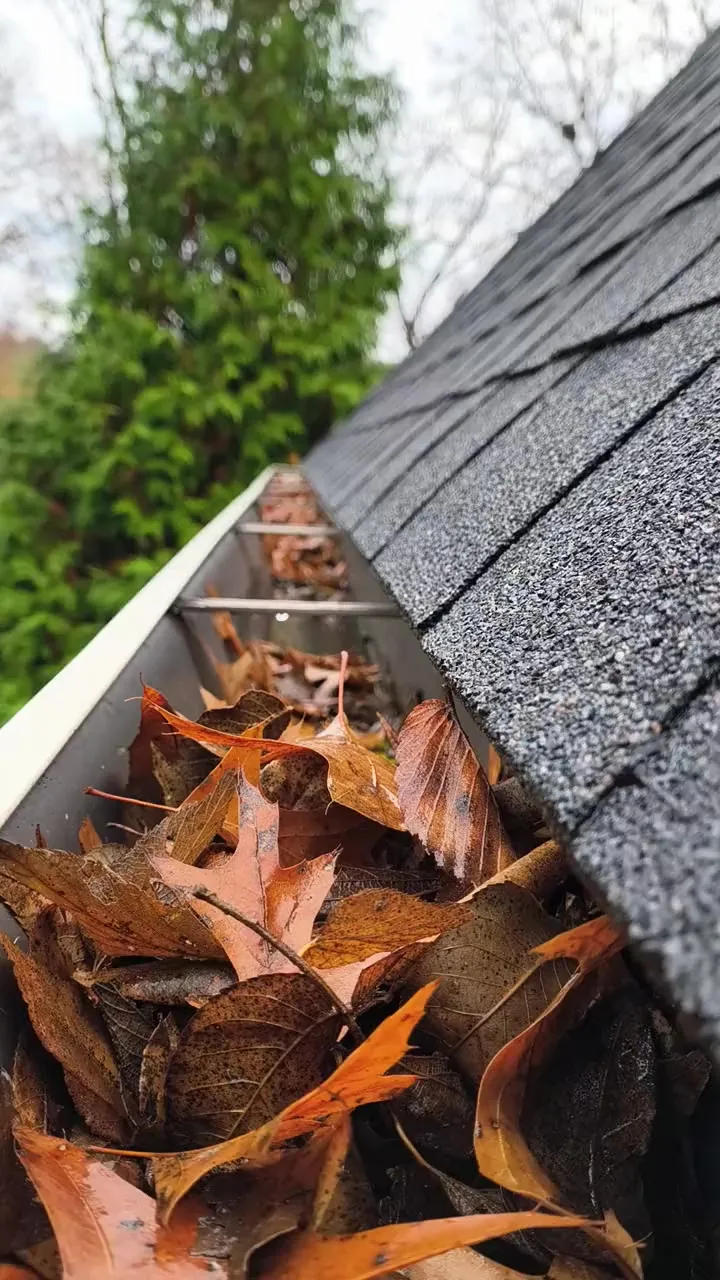
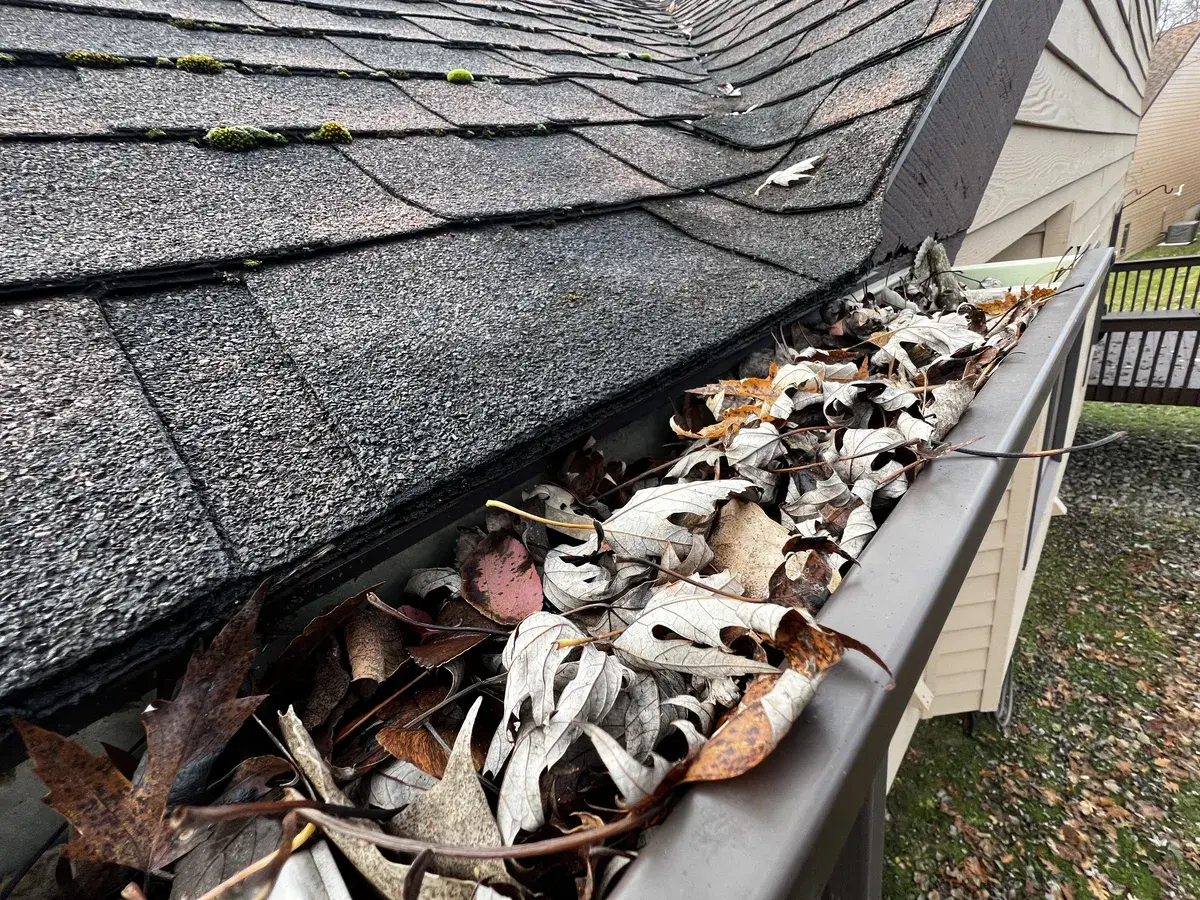
October Bur Oak defoliation dumps rigid leaves into Merrill Crest gutter systems. These obstructions block the channel and displace rainwater onto walkways.
Clean Pro Gutter Cleaning serves the entire Waukesha metropolitan area, ensuring properties from the historic downtown districts to the rolling hills of the outer subdivisions are protected from water damage.
Why Choose Us
Get Your Firm Quote in 15 Minutes
Request your free quote online
Get matched with local pros
Schedule at your convenience
Clean Pro Is Trusted in Waukesha
" Excellent. "
Mary Parlow
Waukesha, WI
" Very thorough, did a wonderful job at a fair price. Appreciated the before and after pictures. "
Mary Parlow
Waukesha, Wisconsin
" Yesterday was the second time Irvine Palmer, Jr. cleaned our gutters (first time 12/2023). He does exemplary work. Thoroughly cleans and water rinses ... "
Patricia Sorrell
Waukesha, WI
Rated 4.9 stars by 3,696+ happy customers
Your Turn — Free QuoteGutter Cleaning for Waukesha Homes
Clean Pro provides binding flat-rates, not estimates, because we use aerial mapping technology.
Gutter Cleaning For Standard (Single Story)
Gutter Cleaning For Medium (Two Story)
Gutter Cleaning For Large (Estate)
Waukesha Gutter Maintenance Schedule
Waukesha homeowners should clean gutters three times per year: in June to clear maple "helicopter" seeds and pollen sludge, in August to eliminate mosquito breeding grounds during summer storms, and in November to remove heavy oak leaves and acorns before the freeze.
| Season | Recommended Window | Target Debris & Risk | Why It's Critical in Waukesha |
|---|---|---|---|
| Spring | Late May – June | Maple samaras ("helicopters"), Oak tassels, Cottonwood fluff. | Germinating maple seeds root into gutter sealant within weeks, ruining the waterproof bond. Clogs during this wet season saturate silt loam, triggering frost heave in winter. |
| Summer | August | Storm debris (twigs/green leaves), stagnant water. | Culex pipiens mosquitoes breed in just 1/2 inch of standing gutter water. Wet debris attracts Carpenter Ants that satellite into fascia boards on wood-framed homes. |
| Fall | Late Oct – Nov | Heavy Oak/Maple leaves, "Acorn Bombs," Boxelder bugs. | Heavy acorns pull gutters away from fascia. Wet leaves freeze into solid "ice dams" in December, causing water to back up and rot roof decking. Mice use debris bridges to access attics. |
Spring
Recommended Window
Late May – June
Target Debris & Risk
Maple samaras ("helicopters"), Oak tassels, Cottonwood fluff.Why It's Critical
Germinating maple seeds root into gutter sealant within weeks, ruining the waterproof bond. Clogs during this wet season saturate silt loam, triggering frost heave in winter.Summer
Recommended Window
August
Target Debris & Risk
Storm debris (twigs/green leaves), stagnant water.Why It's Critical
Culex pipiens mosquitoes breed in just 1/2 inch of standing gutter water. Wet debris attracts Carpenter Ants that satellite into fascia boards on wood-framed homes.Fall
Recommended Window
Late Oct – Nov
Target Debris & Risk
Heavy Oak/Maple leaves, "Acorn Bombs," Boxelder bugs.Why It's Critical
Heavy acorns pull gutters away from fascia. Wet leaves freeze into solid "ice dams" in December, causing water to back up and rot roof decking. Mice use debris bridges to access attics.Key Takeaway
Schedule 3 annual cleanings during these seasonal windows: Spring (Late May – June), Summer (August), and Fall (Late Oct – Nov). These align with Waukesha's tree cycles and weather patterns, protecting your foundation, roof, and landscape from water damage and pest infestations.
Pine Tree Exception
If you have Pine Trees on your property (common in University Heights, River Place, or Five Fields), the standard schedule is insufficient. Pine needles bypass standard screens and create dense, localized dams that trap moisture year-round.
Recommended: Quarterly Service (Every 3 Months)
This prevents fascia rot and minimizes fire risk from accumulated pine needle buildup.
Serving Waukesha & Surrounding Areas
Primary Neighborhoods
Map will load when scrolled into view
Wisconsin Service Network
Waukesha is part of our Wisconsin gutter cleaning network. View all metro areas, service communities, and regional maintenance guidance.
View All Wisconsin Locations Gutter Guard Protection in Waukesha
Honey Locust rachis and White Pine needles in Merrill Crest create dense thatch layers, necessitating cleaning cycles two to three times per year. Property owners in University Heights Explore gutter guard installation options for Waukesha homes to secure permanent stainless mesh protection against specific local debris. Clean Pro provides instant quotes at $22.50 per linear foot for this stainless steel solution without in-home consultations.
Why Clean Gutters in Waukesha?
Soil Composition and Foundation Risks
The geological profile of Waukesha is dominated by silt loam topsoil, specifically the Hochheim and Theresa series, sitting atop dense glacial till and clay subsoils. This specific soil composition creates a high-risk environment for homes with basements. The topsoil is highly absorbent, acting like a sponge during the wet months of May and June. When gutters clog and overflow, this water saturates the ground immediately adjacent to the foundation. Because the underlying clay subsoil drains poorly, the water pools against the basement walls. This creates hydrostatic pressure, a force powerful enough to push moisture through the micropores of concrete block foundations, leading to musty basements and eventual flooding. The risk escalates significantly during the winter. Silt loam is susceptible to frost heave. If the soil surrounding a home is saturated when the temperature drops, it expands violently as it freezes. This expansion exerts lateral pressure on foundation walls, causing horizontal cracks and structural shifts that are expensive to repair. Moving water at least six to ten feet away from the home via clean gutters and downspout extensions is the primary method to mitigate this soil mechanics failure.
Waukesha homes face unique challenges due to local soil and climate conditions.
The geological profile of Waukesha is dominated by silt loam topsoil, specifically the Hochheim and Theresa series, sitting atop dense glacial till and clay subsoils. This specific soil composition creates a high-risk environment for homes with basements. The topsoil is highly absorbent, acting like a sponge during the wet months of May and June.
When gutters clog and overflow, this water saturates the ground immediately adjacent to the foundation. Because the underlying clay subsoil drains poorly, the water pools against the basement walls. This creates hydrostatic pressure, a force powerful enough to push moisture through the micropores of concrete block foundations, leading to musty basements and eventual flooding.
The risk escalates significantly during the winter. Silt loam is susceptible to frost heave. If the soil surrounding a home is saturated when the temperature drops, it expands violently as it freezes.
This expansion exerts lateral pressure on foundation walls, causing horizontal cracks and structural shifts that are expensive to repair. Moving water at least six to ten feet away from the home via clean gutters and downspout extensions is the primary method to mitigate this soil mechanics failure.
Mold remediation from water intrusion can cost up to $30,000 according to Bob Vila's 2025 pricing data — more than 100x the cost of a single gutter cleaning.
Local Vegetation and Debris Profiles
Local tree species create specific debris challenges for Waukesha homeowners.
The biological threats to gutter systems in Waukesha are seasonal and distinct. The most immediate threat arrives in late spring with the release of samaras, commonly known as "helicopters," from the widespread Silver Maple and Sugar Maple populations. These seeds fall in dense clusters that can bypass standard gutter guards.
Once wet, they form a thick, mortar-like paste that blocks downspouts completely. If left uncleaned, these seeds will germinate, rooting young saplings directly into the gutter sealant by mid-summer. Late summer and early fall introduce a different challenge driven by thunderstorms and the inevitable leaf drop.
Large deciduous trees such as Northern Red Oaks and Bur Oaks drop acorns and heavy, broad-lobed leaves. The acorns add significant weight to the gutter system, straining the hangers, while the leaves create a mat that traps moisture. In neighborhoods with mature conifers, such as Rolling Ridge or areas near the Fox River, White Pine and Blue Spruce needles present a chronic issue.
These needles are highly acidic. When they accumulate in aluminum gutters, they accelerate corrosion and can cause "pinhole" leaks. Furthermore, the dense mat of needles often traps water against the fascia board, inviting rot and providing a damp nesting ground for carpenter ants and earwigs.
Clogged gutters provide ideal breeding grounds for pests including mosquitoes and rodents.
Risks of Neglect
- Saturated debris weight pulling gutters from fascia
- Foundation damage from uncontrolled runoff
- Landscape erosion & water damage
Benefits of Regular Cleaning
- Prepare your home for winter weather
- Protect your home's foundation
- Stay current with 3x/year recommended schedule
October leaf fall is peaking in University Heights — clogged gutters cause water damage and foundation issues.
Schedule October Leaf RemovalArchitectural Considerations and Access
Historic properties in areas like University Heights require specialized care during maintenance. These homes often feature slate or cedar shake roofing, materials that become brittle with age and cannot withstand foot traffic. Maintenance protocols for these structures rely on ladder stabilizers and stand-offs that rest the weight of the climber on the roof deck or fascia, protecting the delicate shingle edges and copper flashing often found on Victorian and Queen Anne architecture. Newer executive homes in developments like The Legend at Merrill Hills or Solaire feature complex rooflines with steep pitches and multiple valleys. These modern designs channel high volumes of water into short sections of gutter, making even minor clogs hazardous. High-flow drainage is essential here to prevent water from overshooting the gutter during heavy summer storms. Additionally, local salt restrictions and environmental awareness in Waukesha mean that downspout diversion must be strategic. Runoff should be directed into lawns or rain gardens rather than driveways, preventing the mixing of roof water with road salts that can degrade concrete and harm local watersheds.
Cleaning Protocol
Inspection
Full assessment of roof, gutters, and downspouts for leaf accumulation, blockages, and fascia condition
Debris Removal
Hand removal of leaves, twigs, and debris from all gutter runs and downspout entries
Clear & Verify
Clear compacted leaf material and verify downspout throughput
Final Check
Verify all downspouts are clear and directing water away from foundation
Waukesha Gutter Cleaning FAQs
Ready to Protect Your Waukesha Home?
Protect My Home — Free Quote in Minutes