
Milton Gutter Cleaning
Satellite-Measured. Same-Week Service.
Quote in15 Minutes
PicturesSent
30 DayWarranty
No needTo Be Home
Flat-rate gutter cleaning from $249. Serving the Milton area. | Call: 877-736-0586
As Seen On





Clean Pro Gutter Cleaning Milton
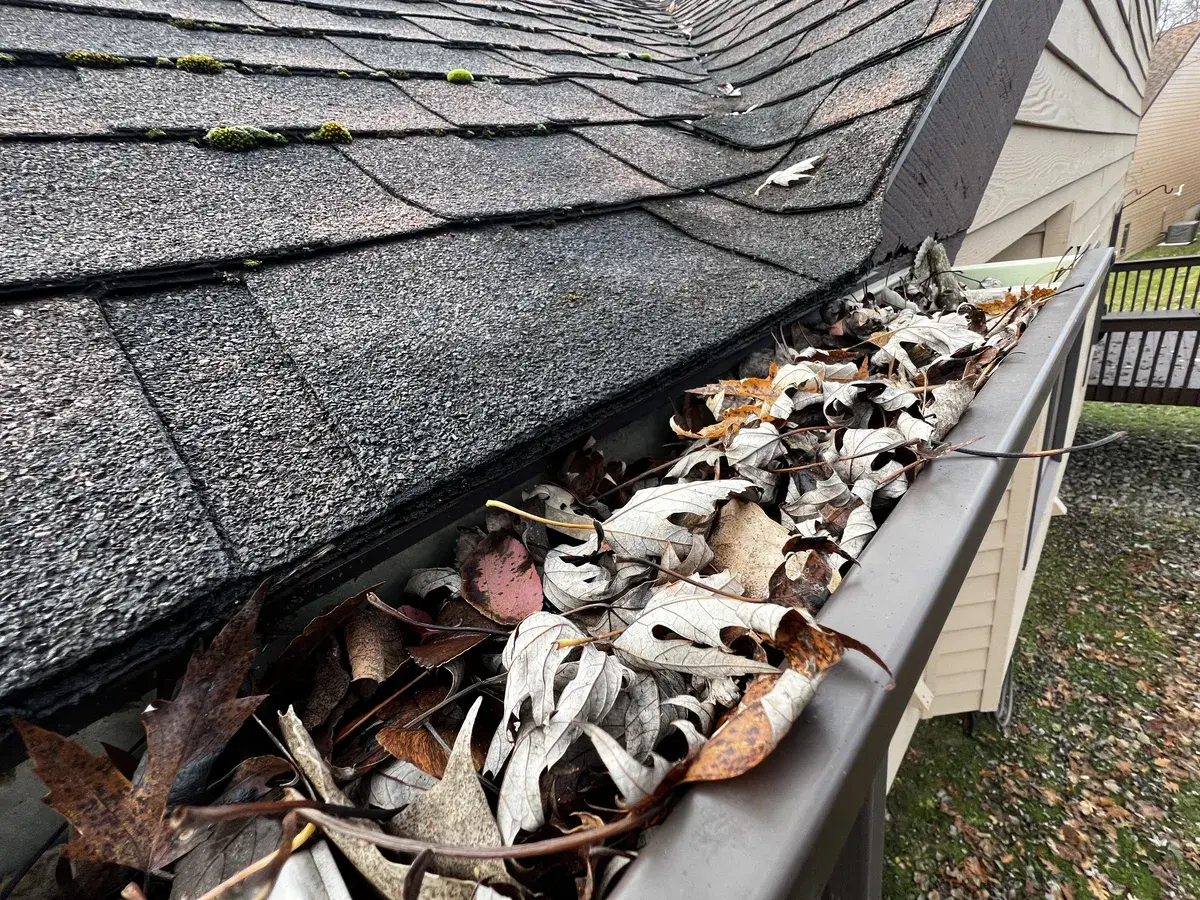
October triggers the primary Red Maple leaf drop across Fairgrounds District. Heavy wet foliage compounds weight on brackets and pulls gutters from the fascia.
Why Choose Us
Get Your Firm Quote in 15 Minutes
Request your free quote online
Get matched with local pros
Schedule at your convenience
Clean Pro Is Trusted in Milton
" Efficient, clean, and professional. "
William Wang
" Great job by a hard worker who really cares…Ray "
Robert Durborow
" Awesome job! Friendly and nice job cleaning up after, thank you!! "
Colby Kuzontkoski
Rated 4.9 stars by 3,709+ happy customers
Your Turn — Free QuoteGutter Cleaning for Milton Homes
Milton gutter cleaning removes Red Maple samaras from Historic District drainage systems. Dense White Oak catkins block flow and saturate Monongahela silt loam around Crawlspace foundations.
Gutter Cleaning For Single-Story Standard
Gutter Cleaning For Two-Story High-Access
Gutter Cleaning For Multi-Level Estate
Milton Gutter Maintenance Schedule
Milton mandates 4 annual cleanings as Deciduous Biomass Matting overwhelms drainage systems. This frequency prevents Monongahela silt loam saturation that causes hydrostatic pressure against foundations.
| Season | Recommended Window | Target Debris & Risk | Why It's Critical |
|---|---|---|---|
| Spring | Late April – May | Red Maple samaras and White Oak catkins create dense interlocking layers. | Blockage initiates lateral water seepage into basements via Monongahela silt loam. |
| Summer | June – July | Deciduous Biomass Matting and Algae obstruct water flow during storms. | Overflow saturates wooden fascia and triggers Carpenter Ant nesting in structural timber. |
| Fall | October – November | Eastern White Pine needles and Leaf litter fill downspout goosenecks. | Heavy accumulation fractures gutter brackets and mandates needle extraction protocols. |
| Winter | December – January | Frozen White Oak leaves and Organic sludge solidifies within channels. | Ice dam formation restricts snowmelt drainage and damages roof decking. |
Spring
Recommended Window
Late April – May
Target Debris & Risk
Red Maple samaras and White Oak catkins create dense interlocking layers.Why It's Critical
Blockage initiates lateral water seepage into basements via Monongahela silt loam.Summer
Recommended Window
June – July
Target Debris & Risk
Deciduous Biomass Matting and Algae obstruct water flow during storms.Why It's Critical
Overflow saturates wooden fascia and triggers Carpenter Ant nesting in structural timber.Fall
Recommended Window
October – November
Target Debris & Risk
Eastern White Pine needles and Leaf litter fill downspout goosenecks.Why It's Critical
Heavy accumulation fractures gutter brackets and mandates needle extraction protocols.Winter
Recommended Window
December – January
Target Debris & Risk
Frozen White Oak leaves and Organic sludge solidifies within channels.Why It's Critical
Ice dam formation restricts snowmelt drainage and damages roof decking.Key Takeaway
Schedule 4 annual cleanings during these seasonal windows: Spring (Late April – May), Summer (June – July), Fall (October – November), and Winter (December – January). These align with Milton's tree cycles and weather patterns, protecting your foundation, roof, and landscape from water damage and pest infestations.
Pine Tree Exception
If you have Pine Trees on your property (common in Historic District (Main Street), The Ridges, or Newman's Branch), the standard schedule is insufficient. Pine needles bypass standard screens and create dense, localized dams that trap moisture year-round.
Recommended: Quarterly Service (Every 3 Months)
This prevents fascia rot and minimizes fire risk from accumulated pine needle buildup.
Milton Drainage Infrastructure Protection Across the Mud River Basin
Primary Neighborhoods
Nearby Service Areas
Cabell County topography dictates regional service protocols based on Ohio River valley wind patterns.
Western Metro Corridor
Eastern Connector
Northern River Zone
Guyandotte Basin
Map will load when scrolled into view
West Virginia Service Network
Milton is part of our West Virginia gutter cleaning network. View all metro areas, service communities, and regional maintenance guidance.
View All West Virginia Locations Gutter Guard Protection in Milton
Red Maple and White Oak trees in Historic Milton create seasonal blockages that require advanced debris prevention systems for consistent flow. Homeowners in The Ridges Evaluate permanent gutter protection for your Milton home to secure surgical-grade 304 stainless steel mesh barriers. The installation network provides firm quotes at $22.50 per linear foot to reduce maintenance frequency significantly.
Milton Gutter Cleaning: Monongahela Silt Loam Damage Mitigation?
Non-percolating Monongahela Soil Layers
Milton gutter cleaning directs water away from non-percolating Monongahela soil layers.
The local Monongahela silt loam features a dense fragipan layer that blocks vertical water absorption. This restriction creates a perched water table during the wet months of May and July. Gutter discharge near foundations generates hydrostatic pressure against basement walls. Six-foot downspout extensions transport runoff beyond this saturation zone to prevent lateral seepage. Uncontrolled roof water compromises the structural stability of ventilated masonry block crawlspaces. Proper drainage mandates the displacement of water away from these vulnerable soil zones.
Monongahela silt loam foundation damage can cost up to $30,000 according to This Old House's 2025 pricing data — more than 100x the cost of a single gutter cleaning.
Managing High Rainfall and Ice Dam Risks
Routine drainage maintenance in Milton prevents overflow during convective thunderstorm events.
The city receives 44.6 inches of annual rainfall that tests drainage capacity. Intense precipitation events like the June 2016 West Virginia Flood overwhelm blocked systems instantly. Debris accumulation traps water that freezes during winter months. High ice dam risk levels threaten roof decks when gutters fail to evacuate meltwater. Clear channels eliminate standing water that rots fascia boards. Consistent flow mitigates the impact of orographic uplift storms common to the region.
Clearing Native Deciduous Biomass and Pine Needles
Scheduled debris extraction in Historic Milton removes dense deciduous matting.
Local foliage creates specific blockage mechanisms affecting water flow. Red Maple trees in Mud River zones shed winged samaras that interlock to trap silt. White Oak varieties drop fibrous material that obstructs flow at gutter miters. Eastern White Pine needles in Perry Creek penetrate downspouts to form solid plugs. Decomposition of this organic matter fosters Asian Tiger Mosquito breeding habitats during May through September. Regular clearing breaks these blockage cycles.
Local Foliage Impact Data
- Red Maple (Acer rubrum): Sheds winged samaras in April and October that form dense interlocking layers.
- White Oak (Quercus alba): Drops fibrous catkin strands in May that create dams at gutter miters.
- Eastern White Pine: Deposits needles in September that bypass guards to plug downspout goosenecks.
Protecting Historic Slate and Modern Complex Rooflines
Milton gutter maintenance preserves complex architectural features across diverse construction eras.
The Historic District features steep-pitch roofs constructed between 1900 and 1940. Water velocity accelerates off slate tiles to overwhelm clogged copper systems. The Ridges mandates strict aesthetic standards for debris removal on modern homes with complex rooflines. Newman's Branch properties experience asphalt grit accumulation that reduces pitch in 5-inch aluminum gutters. Erosion of shingle granules creates heavy sludge in low-slope runs. Professional extraction removes this abrasive material to restore channel capacity.
Risks of Neglect
- Red Maple leaf fall overwhelming gutters
- Saturated debris weight pulling gutters from fascia
- Monongahela silt loam erosion & foundation shifting
- White Oak debris compounding blockages
Benefits of Regular Cleaning
- Clear Red Maple leaves before winter freeze
- Prepare your home for winter weather
- Protect Monongahela silt loam foundation stability
- Stay current with 4x/year recommended schedule
October Red Maple leaf drop is filling Historic District (Main Street) gutters — clear them before winter freeze.
Schedule October Leaf RemovalOur Cleaning Process
Professional gutter cleaning protocols for Milton properties.
Cleaning Protocol
Inspection
Full assessment of roof, gutters, and downspouts for leaf accumulation, blockages, and fascia condition
Debris Removal
Hand removal of Red Maple and White Oak debris from all gutter runs and downspout entries
Clear & Verify
Clear compacted Red Maple material and verify downspout throughput
Final Check
Verify all downspouts direct water away from Monongahela silt loam foundation
Milton Gutter Cleaning FAQs
Ready to Protect Your Milton Home?
Protect My Home — Free Quote in Minutes