Brewer Gutter Cleaning
Satellite-Measured. Same-Week Service.
Quote in15 Minutes
PicturesSent
30 DayWarranty
No needTo Be Home
Flat-rate gutter cleaning from $249. Serving the Brewer area. | Call: 877-736-0586
As Seen On





Clean Pro Gutter Cleaning Brewer
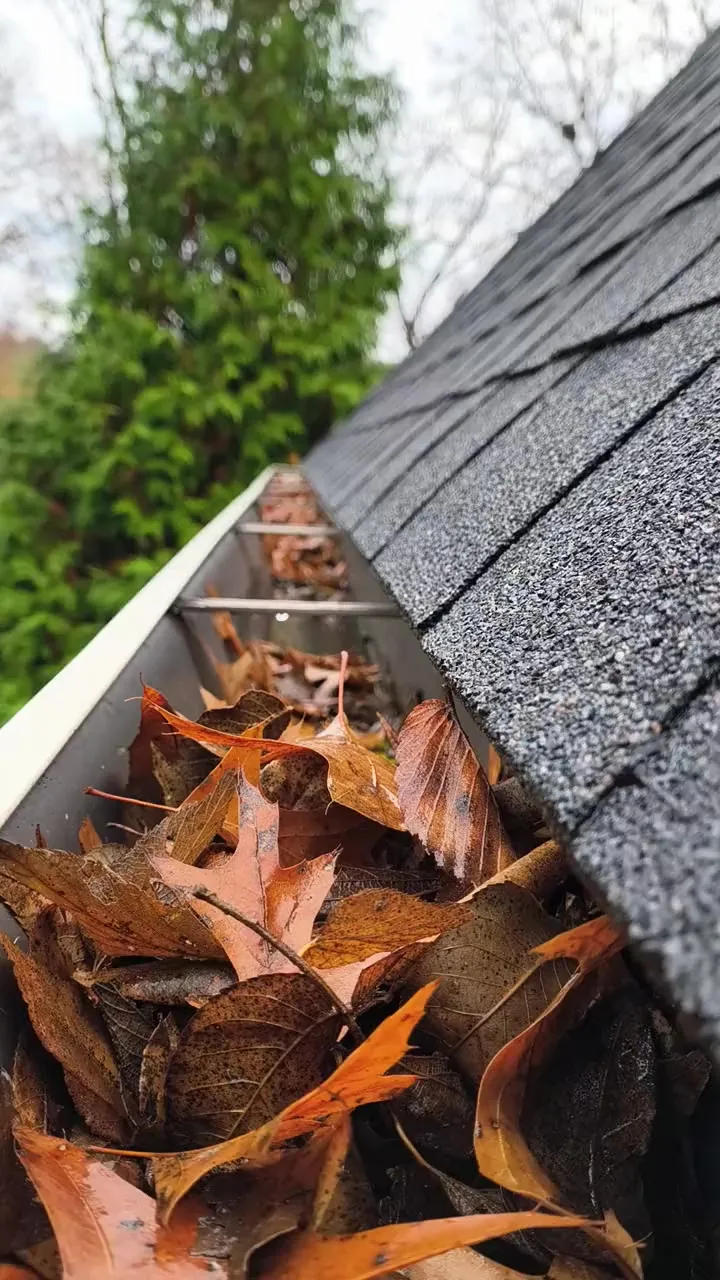
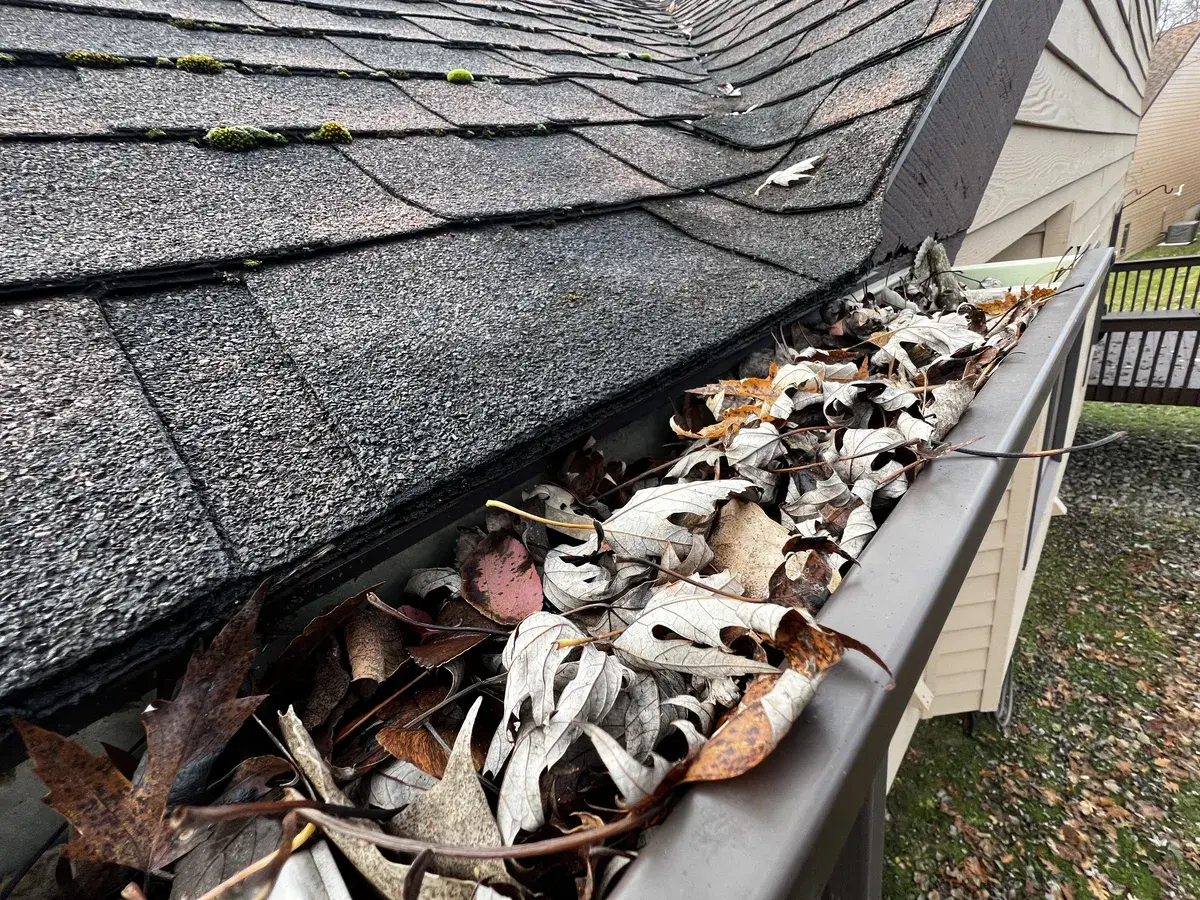
October foliage from Sugar Maples buries High Street Historic District rooflines. Wet leaves weigh down gutters and strain Victorian eave fasteners.
Our network covers the entirety of Brewer and the surrounding Penobscot County region.
Why Choose Us
Get Your Firm Quote in 15 Minutes
Request your free quote online
Get matched with local pros
Schedule at your convenience
Clean Pro Is Trusted in Brewer
" Professional, on time. Showed puctures of gutters before and after. "
Lillian Epstein
" Theo showed up on time, worked hard & did a great job. "
Bill Trojan
" Service is good. I can’t see most of my gutters because they are high, which is why I hire someone to clean them, so pictures of the cleaned out gutte... "
Ed Von Hoene
Rated 4.9 stars by 3,701+ happy customers
Your Turn — Free QuoteGutter Cleaning for Brewer Homes
Brewer removes compacted Eastern White Pine needles that obstruct residential drainage systems. Sugar Maple debris saturates Buxton silt loam soil and triggers basement hydrostatic pressure.
Gutter Cleaning For Single-Story Standard
Gutter Cleaning For Two-Story High-Access
Gutter Cleaning For Multi-Level Estate
Brewer Gutter Maintenance Schedule
Brewer requires 4 annual cleanings as Eastern White Pine produces heavy needle debris. This frequency prevents saturation in Buxton silt loam which fractures Full Basement foundations.
| Season | Recommended Window | Target Debris & Risk | Why It's Critical |
|---|---|---|---|
| Spring | Late May – June | Sugar Maple seeds and Carpenter Ant nests blocks strainers. | Moisture saturates Fascia Boards and accelerates wood decay. |
| Summer | July – August | Paper Birch bark traps Northern House Mosquito larvae. | Stagnant water compounds hydrostatic pressure on Stone Rubble structures. |
| Fall | October – November | Eastern White Pine needles and Sugar Maple leaves overwhelms channels. | Overflow saturates Buxton silt loam and triggers basement leaks. |
| Winter | December – January | Oak foliage and Eastern White Pine remnants solidifies in troughs. | Ice expansion damages Roof Eaves and creates Ice Dam hazards. |
**Spring**
Recommended Window
Late May – June
Target Debris & Risk
Sugar Maple seeds and Carpenter Ant nests blocks strainers.Why It's Critical
Moisture saturates Fascia Boards and accelerates wood decay.**Summer**
Recommended Window
July – August
Target Debris & Risk
Paper Birch bark traps Northern House Mosquito larvae.Why It's Critical
Stagnant water compounds hydrostatic pressure on Stone Rubble structures.**Fall**
Recommended Window
October – November
Target Debris & Risk
Eastern White Pine needles and Sugar Maple leaves overwhelms channels.Why It's Critical
Overflow saturates Buxton silt loam and triggers basement leaks.**Winter**
Recommended Window
December – January
Target Debris & Risk
Oak foliage and Eastern White Pine remnants solidifies in troughs.Why It's Critical
Ice expansion damages Roof Eaves and creates Ice Dam hazards.Key Takeaway
Schedule 4 annual cleanings during these seasonal windows: Spring (Late May – June), Summer (July – August), Fall (October – November), and Winter (December – January). These align with Brewer's tree cycles and weather patterns, protecting your foundation, roof, and landscape from water damage and pest infestations.
Brewer Gutter Protection Protocols for Penobscot River Corridor Properties
Primary Neighborhoods
Nearby Service Areas
Penobscot County communities require consistent drainage mitigation due to heavy Nor’easter precipitation and deep frost lines.
Penobscot River Urban Core
Southern River Towns
Eastern Rural Route
Western Suburban Expansion
Map will load when scrolled into view
Maine Service Network
Brewer is part of our Maine gutter cleaning network. View all metro areas, service communities, and regional maintenance guidance.
View All Maine Locations Gutter Guard Protection in Brewer
Dense Eastern White Pine needle shedding in Sherwood Forest mandates recurring debris removal services throughout the year. Homeowners Review Clean Pro Guard protection systems available in Brewer to secure surgical-grade stainless steel mesh barriers. The vetted installation network offers firm quotes at $22.50 per linear foot without in-home consultations.
Brewer Gutter Cleaning: Buxton Silt Loam Flood Prevention?
The Hydrostatic Pressure Risks Inherent to Local Buxton Silt Loam Soil Profiles
[Brewer] gutter cleaning mitigates the hydrostatic pressure risks inherent to local Buxton silt loam soil profiles.
Buxton silt loam demonstrates high frost-heave potential when roof runoff saturates the soil matrix near foundation walls.
This Inceptisol soil type restricts vertical drainage.
Hydrostatic force pushes water through concrete pores to generate basement flooding.
Uncontrolled discharge fractures Stone Rubble and Full Basement structures found throughout Brewer.
Effective drainage mandates 10-foot downspout extensions to displace water beyond the expansion zone of this clay-heavy loam.
42.3 inches of annual rainfall necessitates precise diversion to preserve structural integrity against soil shifts.
The wettest months of October and November saturate the ground immediately before the winter freeze.
Saturated soil expands against foundation beams to crack concrete and displace masonry.
Buxton silt loam foundation damage can cost up to $30,000 according to This Old House's 2025 pricing data — more than 100x the cost of a single gutter cleaning.
Preventing Ice Dam Formation During Nor’easter Cycles
Routine drainage maintenance in [Brewer] eliminates the debris barriers that accelerate ice dam formation.
Nor’easters deposit heavy snow loads that melt and refreeze at the eave line during Zone 5b temperature fluctuations.
Clogged channels trap this meltwater.
Trapped liquid forces behind shingles to rot fascia boards and interior ceilings.
The Great Ice Storm of 1998 proved that heavy ice accumulation shears gutter hangers from their mounting points.
Consistent flow management prevents the high-risk ice dams that characterize Brewer winters.
Freezing temperatures in January and February solidify standing water into heavy blocks that pull gutters away from the roofline.
Malfunctioning drainage systems exacerbate the severity of winter freeze events by retaining liquid mass.
Extracting Pine and Maple Debris From Residential Systems
Professional channel clearing across [Sherwood Forest] and [High Street] removes dense organic obstructions.
Local flora creates specific blockage mechanisms that impede water flow during the September and October shedding peaks.
Eastern White Pine needles interlock within troughs to form water-impermeable mats that resist gravity-based drainage.
Sugar Maple seeds paste against downspout strainers to create seals that trigger immediate overflow during spring rains.
Dense debris accumulation in the Brewer Lake area invites Carpenter Ant colonies to excavate saturated fascia boards.
Paper Birch debris in Parkway South compounds these blockages by trapping fine sediment in the gutter elbows.
Local Vegetation Debris Profiles
- Eastern White Pine (Sherwood Forest): Needle clusters create dense mesh barriers in September.
- Sugar Maple (North Main Street): Winged samaras seal downspout openings in May.
- Paper Birch (Parkway South): Curling bark strips lodge in elbows throughout November.
- Carpenter Ant (May – September): Saturated wood attracts colonies that compromise structural framing.
Protecting Historic and Mid-Century Roofing Systems
Scheduled debris extraction in [Brewer] preserves the vulnerable eaves of historic and mid-century structures.
High Street Historic District homes feature steep roof pitches that accelerate water velocity into aging gutter runs.
Neglected cornices on these Late 19th Century structures rot when intricate eave details trap moisture.
Parkway South residences from the 1950s exhibit loosened aluminum spikes due to thermal expansion on low-slope roofs.
Modern subdivisions like The Pattern concentrate high-volume flow into undersized 2x3 downspouts during torrential downpours.
Complex roof valleys in Deer Park concentrate water flow that overwhelms standard builder-grade systems.
HOA requirements in historic zones mandate preservation standards that complicate exterior drainage modifications.
Risks of Neglect
- Eastern White Pine leaf fall overwhelming gutters
- Saturated debris weight pulling gutters from fascia
- Buxton silt loam erosion & foundation shifting
- Sugar Maple debris compounding blockages
Benefits of Regular Cleaning
- Clear Eastern White Pine leaves before winter freeze
- Prepare your home for winter weather
- Protect Buxton silt loam foundation stability
- Stay current with 3x/year recommended schedule
October Eastern White Pine leaf drop is filling High Street Historic District gutters — clear them before winter freeze.
Schedule October Leaf RemovalArchitectural Considerations
Brewer features a diverse mix of architectural styles that require specific maintenance approaches. The historic homes in the Riverview Terrace area often feature slate roofs and intricate Victorian fascia. These materials are brittle and cannot withstand the weight of ladders. Cleaning these systems requires the use of ladder stand-offs or high-reach vacuum systems to protect the integrity of century-old roofing tiles. Newer developments in the Wiswell Road area typically feature architectural asphalt shingles on Neo-Eclectic or Ranch-style homes. These roofs often have complex valley systems that channel high volumes of water into short sections of gutter. These high-flow areas are prone to overflowing even with minor obstructions. Regular removal of debris ensures that these concentrated water channels function correctly during heavy summer storms. Split-level and garrison homes common in Sherwood Forest often have lower rooflines that are accessible but susceptible to pest entry. Clogged gutters in these homes provide a moisture source for carpenter ants and a nesting ground for mosquitoes. Keeping these gutters clean is a primary exclusion technique for pest control in residential areas.
Cleaning Protocol
Inspection
Full assessment of roof, gutters, and downspouts for leaf accumulation, blockages, and fascia condition
Debris Removal
Hand removal of Eastern White Pine and Sugar Maple debris from all gutter runs and downspout entries
Clear & Verify
Clear compacted Eastern White Pine material and verify downspout throughput
Final Check
Verify all downspouts direct water away from Buxton silt loam foundation
Brewer Gutter Cleaning FAQs
Ready to Protect Your Brewer Home?
Protect My Home — Free Quote in Minutes