Charleston Gutter Cleaning
Satellite-Measured. Same-Week Service.
Quote in15 Minutes
PicturesSent
30 DayWarranty
No needTo Be Home
Flat-rate gutter cleaning from $249. Serving the Charleston area. | Call: 877-736-0586
As Seen On





Clean Pro Gutter Cleaning Charleston
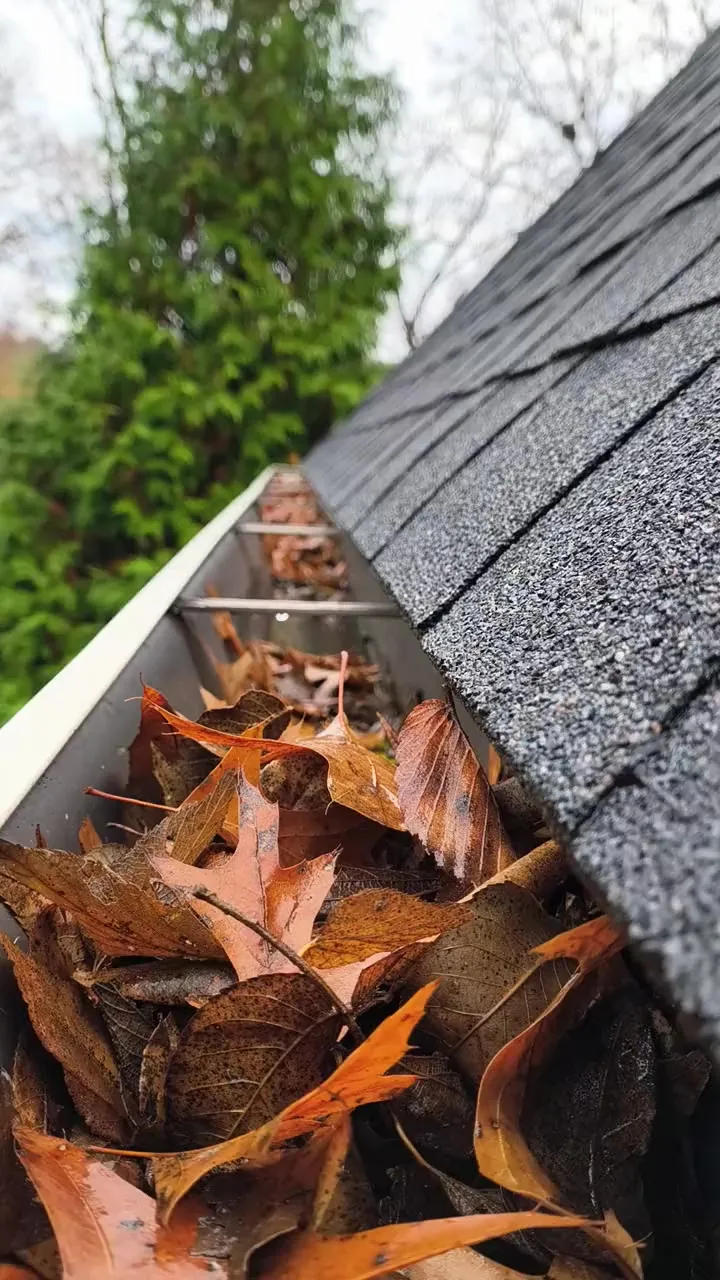
October brings peak pine shedding to West Ashley neighborhoods. Dense needle accumulation bridges the trough and forces water behind the drip edge.
Our network covers the entire Charleston metropolitan area, addressing the specific biological and geological needs of both the peninsula and the surrounding sea islands.
Why Choose Us
Get Your Firm Quote in 15 Minutes
Request your free quote online
Get matched with local pros
Schedule at your convenience
Clean Pro Is Trusted in Charleston
" Trouble at start getting the appointment date I requested. However Robert Berry who came and did our gutter cleaning was excellent. He did a thorough ... "
Nancy Harrison
Charleston, SC
" On time, thorough, professional--excellent service! "
Brian Mcgreevy
Charleston, South Carolina
" Excellent. Your employee was very professional and thorough. "
Wanda Buckner
North Charleston, SC
Rated 4.9 stars by 3,696+ happy customers
Your Turn — Free QuoteGutter Cleaning for Charleston Homes
Charleston extracts Loblolly Pine needles and Southern Live Oak catkins from overloaded systems. Loblolly Pine mats saturate Lynchburg sandy loam which eliminates bearing capacity for Raised Slab foundations.
Gutter Cleaning For Single-Story Standard
Gutter Cleaning For Two-Story High-Access
Gutter Cleaning For Multi-Level Estate
Charleston Gutter Maintenance Schedule
Charleston mandates 3 annual cleanings as Loblolly Pine needle accumulation causes dense hydrophobic mats. This schedule prevents gutter spillover that saturates Lynchburg sandy loam which triggers differential settlement.
| Season | Recommended Window | Target Debris & Risk | Why It's Critical |
|---|---|---|---|
| Spring | March – May | Southern Live Oak catkins and pollen that generate sludge and fill gutter corners | This accumulation traps moisture against fascia boards which accelerates wood rot |
| Summer | June – August | Sweetgum pods and Asian Tiger Mosquito larvae that restrict flow capacity | Stagnant water overwhelms slab-on-grade foundations and mandates pest removal |
| Fall | September – November | Loblolly Pine needles and cones that deposit dense mats and seal downspouts | Spillover saturates Yonges loamy fine sand which eliminates soil bearing capacity |
Spring
Recommended Window
March – May
Target Debris & Risk
Southern Live Oak catkins and pollen that generate sludge and fill gutter cornersWhy It's Critical
This accumulation traps moisture against fascia boards which accelerates wood rotSummer
Recommended Window
June – August
Target Debris & Risk
Sweetgum pods and Asian Tiger Mosquito larvae that restrict flow capacityWhy It's Critical
Stagnant water overwhelms slab-on-grade foundations and mandates pest removalFall
Recommended Window
September – November
Target Debris & Risk
Loblolly Pine needles and cones that deposit dense mats and seal downspoutsWhy It's Critical
Spillover saturates Yonges loamy fine sand which eliminates soil bearing capacityKey Takeaway
Schedule 3 annual cleanings during these seasonal windows: Spring (March – May), Summer (June – August), and Fall (September – November). These align with Charleston's tree cycles and weather patterns, protecting your foundation, roof, and landscape from water damage and pest infestations.
Charleston Drainage Preservation Across The Lowcountry Tidal Basin
Primary Neighborhoods
Regional Coverage
The Lowcountry region dictates rigorous flow capacity standards based on tropical cyclone frequency and coastal soil liquefaction.
Coastal Barrier Islands
Inland Pine Corridor
Northern Industrial Zone
Tidal Estuary District
Map will load when scrolled into view
South Carolina Service Network
Charleston is part of our South Carolina gutter cleaning network. View all metro areas, service communities, and regional maintenance guidance.
View All South Carolina Locations Gutter Guard Protection in Charleston
Dense mats of Southern Live Oak catkins and Spanish Moss in South of Broad necessitate cleaning services two to three times annually. Property owners Learn about stainless mesh gutter guard installation in Charleston to mitigate these specific debris issues with 304 stainless steel. The booking agency offers firm pricing at $22.50 per linear foot to bypass in-home sales presentations.
Charleston Gutter Cleaning: Soil Saturation and Foundation Settlement?
Differential Settlement by Directing Water Discharge Away from Unstable
Charleston gutter cleaning prevents differential settlement by directing water discharge away from unstable Lynchburg sandy loam.
Annual precipitation of 51.5 inches creates intense hydrostatic pressure against Slab-on-Grade and Pier-and-Beam foundations.
Saturation transforms local Ultisols into a liquid state that offers zero resistance to structural weight.
Uncontrolled gutter spillover eliminates soil bearing capacity within 6 feet of the footing.
This soil displacement triggers expensive structural shifting across Charleston properties.
Lynchburg sandy loam foundation damage can cost up to $30,000 according to This Old House's 2025 pricing data — more than 100x the cost of a single gutter cleaning.
Mitigating Atlantic Tropical Cyclone Damage
Routine drainage maintenance in Charleston mitigates structural water damage during high-velocity tropical precipitation events.
Hurricane Matthew inundated crawlspaces with organic debris on October 8, 2016, following drainage system failures.
August and September deliver peak rainfall intensities that overwhelm clogged gutter channels.
Blocked systems direct storm surge water into vulnerable Pier-and-Beam sub-structures.
Stagnant water retention facilitates breeding for Asian Tiger Mosquitoes from April through October.
Extracting Loblolly Pine and Live Oak Debris
Professional channel clearing across West Ashley and James Island eliminates dense organic mats from rooflines.
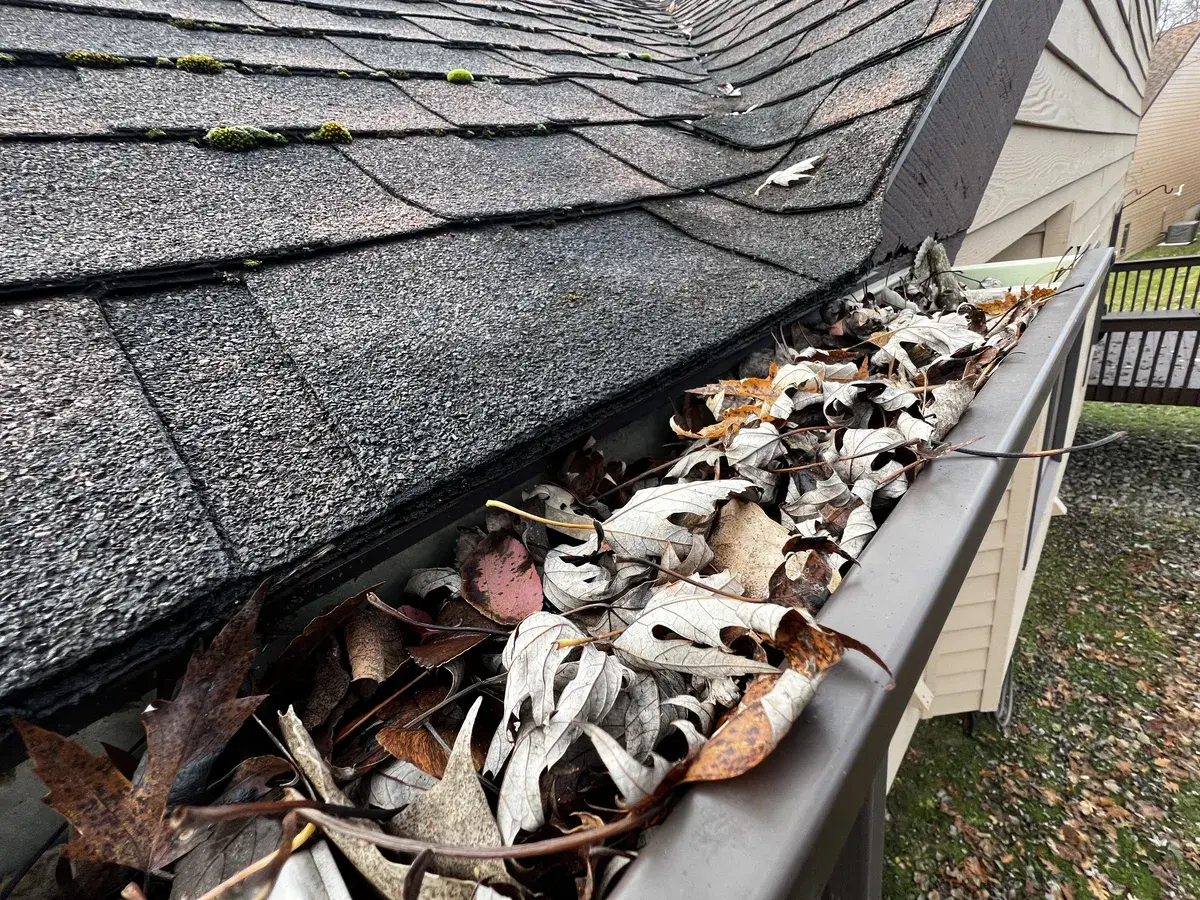
Loblolly Pine needles interlock to form hydrophobic barriers that bridge gutter troughs.
Southern Live Oak catkins create water-absorbent sludge in Historic Downtown systems during March and April.
This accumulation triggers overflow events in Summerville and Mount Pleasant.
Debris removal prevents the formation of non-biodegradable plugs in downspout elbows.
Local Vegetation Impact on Charleston Drainage
- Loblolly Pine (September–November): Needle deposits form dense mats that seal downspout inlets.
- Southern Live Oak (March–April): Spring catkins creating a dense, water-absorbent sludge.
- Sweetgum (October–December): Spiky fruit clusters lodge physically in elbows to initiate immediate obstructions.
Preserving Historic and Modern Roofing Systems
Scheduled debris extraction in Charleston protects copper and aluminum infrastructure from mechanical failure.
18th Century homes in South of Broad feature high-elevation copper systems that necessitate specialized ladder placement.
Undersized downspouts fail to manage rainfall intensities in West Ashley neighborhoods built in the 1950s.
Moisture exposure causes original spike-and-ferrule hangers to pull away from rotting fascia boards.
Daniel Island properties accumulate shingle granules that degrade drainage efficiency on steep 1990s roof pitches.
Risks of Neglect
- Loblolly Pine leaf fall overwhelming gutters
- Saturated debris weight pulling gutters from fascia
- Lynchburg sandy loam erosion & foundation shifting
- Southern Live Oak debris compounding blockages
Benefits of Regular Cleaning
- Clear Loblolly Pine leaves before storm season
- Prepare your home for storm season
- Protect Lynchburg sandy loam foundation stability
- Stay current with 4x/year recommended schedule
October Loblolly Pine leaf drop is filling South of Broad gutters — clear them before storm season.
Schedule October Leaf RemovalHistoric and Modern Architectural Considerations
Properties in the Historic District, such as those South of Broad or in the French Quarter, often feature copper gutter systems and slate roofs regulated by the Board of Architectural Review (BAR). These materials require specialized "soft-wash" or hand-cleaning protocols to preserve the natural patina and prevent denting. Aggressive cleaning is strictly avoided to protect the integrity of antique joinery and soldering. In newer communities like Daniel Island or West Ashley, construction often utilizes architectural shingles and aluminum gutters. Here, the focus is on volume management. Sudden tropical downpours can drop three inches of rain in an hour. If downspouts are clogged with Sweetgum balls or Pine needles, water backs up and flows over the soffit vents, potentially entering the attic space and ruining insulation.
Cleaning Protocol
Inspection
Full assessment of roof, gutters, and downspouts for leaf accumulation, blockages, and fascia condition
Debris Removal
Hand removal of Loblolly Pine and Southern Live Oak debris from all gutter runs and downspout entries
Clear & Verify
Clear compacted Loblolly Pine material and verify downspout throughput
Final Check
Verify all downspouts direct water away from Lynchburg sandy loam foundation
Charleston Gutter Cleaning FAQs
Ready to Protect Your Charleston Home?
Protect My Home — Free Quote in Minutes