Woodstock Gutter Cleaning
Satellite-Measured. Same-Week Service.
Quote in15 Minutes
PicturesSent
30 DayWarranty
No needTo Be Home
Flat-rate gutter cleaning from $249. Serving the Woodstock area. | Call: 877-736-0586
As Seen On





Clean Pro Gutter Cleaning Woodstock
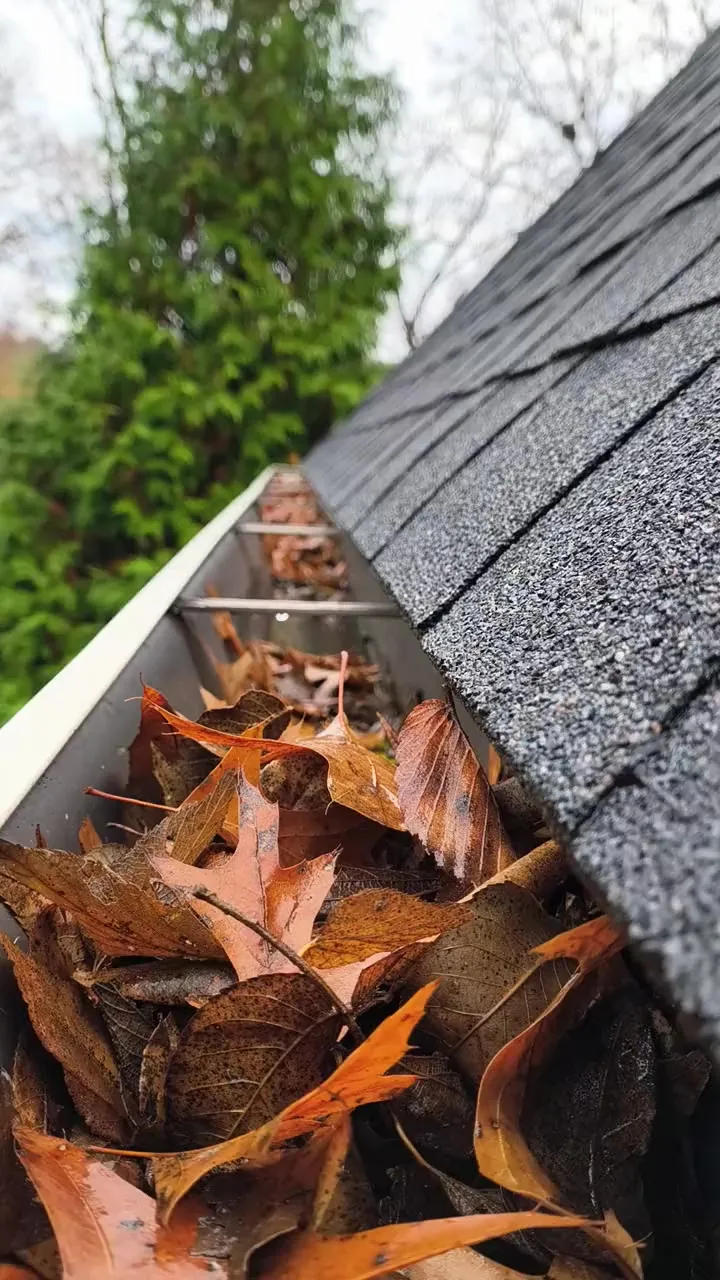
October frost triggers the primary shedding of Red Maple leaves in Massanutten Heights. This dense foliage accumulates to block shingles and directs water over the gutter edge.
Clean Pro Gutter Cleaning connects Woodstock homeowners with verified professionals who understand the specific geological and biological challenges of Shenandoah County.
Why Choose Us
Get Your Firm Quote in 15 Minutes
Request your free quote online
Get matched with local pros
Schedule at your convenience
Clean Pro Is Trusted in Woodstock
" Very impressed of the technology you use to see my house and determine the price .As far as the work your men do I was impressed and pleased of the pr... "
Mark Sholtis
" Team did great work and was very communicative. "
AJ Malott
" 5 out of 5 stars "
Jake Reid
Rated 4.9 stars by 3,696+ happy customers
Your Turn — Free QuoteGutter Cleaning for Woodstock Homes
Clean Pro provides binding flat-rates, not estimates, because we use aerial mapping technology.
Gutter Cleaning For Standard (Single Story)
Gutter Cleaning For Medium (Two Story)
Gutter Cleaning For Large (Estate)
Woodstock Gutter Maintenance Schedule
Woodstock homeowners should clean gutters 3 times per year: in mid-May to clear cement-like pollen paste, in late August to eject twigs before Valley microbursts, and in early December to remove heavy Oak leaves and prevent ice dam formation.
| Season | Recommended Window | Target Debris & Risk | Why It's Critical in Woodstock |
|---|---|---|---|
| Spring | May 15 – May 30 | Pine Pollen & Maple Seeds<br>Clears the "Yellow Haze" sludge and sprouting "helicopter" seeds. | Pollen mixes with rain to form a concrete-like paste that traps moisture against metal, rusting gutters. Sprouting Maple seeds root into joinery, breaking the watertight seal. |
| Summer | August 20 – August 31 | Twigs & Pest Nests<br>Removes Locust/Sycamore debris and disrupts insect colonies. | Summer "Microbursts" dump massive water volume instantly; even minor clogs trigger overflow that washes out red clay soil. Stagnant water attracts Asian Tiger Mosquitoes and supports termite colonies near foundations. |
| Fall | December 1 – December 15 | Oak Leaves & Nuts<br>Removes the heavy "Big Drop" mulch and prepares for freeze cycles. | Brown Marmorated Stink Bugs use dry leaf litter in gutters to access soffits for winter warmth. Clogs freeze during Woodstock's freeze-thaw cycles, ripping gutters off the fascia board. |
Spring
Recommended Window
May 15 – May 30
Target Debris & Risk
Pine Pollen & Maple Seeds<br>Clears the "Yellow Haze" sludge and sprouting "helicopter" seeds.Why It's Critical
Pollen mixes with rain to form a concrete-like paste that traps moisture against metal, rusting gutters. Sprouting Maple seeds root into joinery, breaking the watertight seal.Summer
Recommended Window
August 20 – August 31
Target Debris & Risk
Twigs & Pest Nests<br>Removes Locust/Sycamore debris and disrupts insect colonies.Why It's Critical
Summer "Microbursts" dump massive water volume instantly; even minor clogs trigger overflow that washes out red clay soil. Stagnant water attracts Asian Tiger Mosquitoes and supports termite colonies near foundations.Fall
Recommended Window
December 1 – December 15
Target Debris & Risk
Oak Leaves & Nuts<br>Removes the heavy "Big Drop" mulch and prepares for freeze cycles.Why It's Critical
Brown Marmorated Stink Bugs use dry leaf litter in gutters to access soffits for winter warmth. Clogs freeze during Woodstock's freeze-thaw cycles, ripping gutters off the fascia board.Key Takeaway
Schedule 3 annual cleanings during these seasonal windows: Spring (May 15 – May 30), Summer (August 20 – August 31), and Fall (December 1 – December 15). These align with Woodstock's tree cycles and weather patterns, protecting your foundation, roof, and landscape from water damage and pest infestations.
Pine Tree Exception
If you have Pine Trees on your property (common in Historic Downtown (Court Street) and Riverview Drive), the standard schedule is insufficient. Pine needles bypass standard screens and create dense, localized dams that trap moisture year-round.
Recommended: Quarterly Service (Every 3 Months)
This prevents fascia rot and minimizes fire risk from accumulated pine needle buildup.
Serving Woodstock & Surrounding Areas
Primary Neighborhoods
Nearby Service Areas
Map will load when scrolled into view
Virginia Service Network
Woodstock is part of our Virginia gutter cleaning network. View all metro areas, service communities, and regional maintenance guidance.
View All Virginia Locations Gutter Guard Protection in Woodstock
White Oak catkins create dense sludge in gutters throughout Historic Downtown, requiring cleaning services three times annually to maintain water flow. Homeowners in Seven Bends Evaluate permanent gutter protection for your Woodstock home to prevent clogs from Virginia Pine needles. The Clean Pro partner network installs stainless mesh technology for $22.50 per linear foot without requiring in-home sales consultations.
Why Clean Gutters in Woodstock?
Soil Composition and Foundation Risks
Homes throughout Woodstock, from the Historic Downtown to the newer developments in Spring Hollow, largely sit on the Hagerstown-Frederick soil complex. This soil is characterized by a high clay content that exhibits significant shrink-swell behavior. When gutters clog and overflow, water saturates the soil immediately surrounding the foundation. This causes the clay to expand rapidly, exerting hydrostatic pressure against basement walls and crawlspaces, which can lead to cracking and bowing. Conversely, during dry spells, this clay shrinks and pulls away from the foundation, creating gaps where water rushes in during the next heavy storm. Proper water diversion through clean gutters is essential to maintaining stable soil moisture levels around the home perimeter. In areas with Karst topography, typical of the Valley, uncontrolled roof runoff can also accelerate the erosion of limestone bedrock, potentially leading to subsidence or sinkhole formation near the structure.
Woodstock homes face unique challenges due to local soil and climate conditions.
Homes throughout Woodstock, from the Historic Downtown to the newer developments in Spring Hollow, largely sit on the Hagerstown-Frederick soil complex. This soil is characterized by a high clay content that exhibits significant shrink-swell behavior. When gutters clog and overflow, water saturates the soil immediately surrounding the foundation.
This causes the clay to expand rapidly, exerting hydrostatic pressure against basement walls and crawlspaces, which can lead to cracking and bowing. Conversely, during dry spells, this clay shrinks and pulls away from the foundation, creating gaps where water rushes in during the next heavy storm. Proper water diversion through clean gutters is essential to maintaining stable soil moisture levels around the home perimeter.
In areas with Karst topography, typical of the Valley, uncontrolled roof runoff can also accelerate the erosion of limestone bedrock, potentially leading to subsidence or sinkhole formation near the structure.
Clay foundation damage can cost up to $30,000 according to This Old House's 2025 pricing data — more than 100x the cost of a single gutter cleaning.
Biological Debris and Clogging Agents
Local tree species create specific debris challenges for Woodstock homeowners.
The tree canopy in Woodstock dictates a rigorous cleaning schedule. In spring, properties near Massanutten Heights and the Seven Bends area experience the "Yellow Haze" of heavy pine and oak pollen. When this pollen mixes with spring rain in a gutter, it forms a dense, cement-like paste that coats the bottom of the trough.
This sludge does not wash away easily and traps moisture against metal components, accelerating rust and corrosion even in aluminum systems. As the season progresses, the debris profile changes. The historic Sycamores and Maples lining Court Street and High Street drop "helicopters" (samaras) and broad leaves that mat over downspout openings.
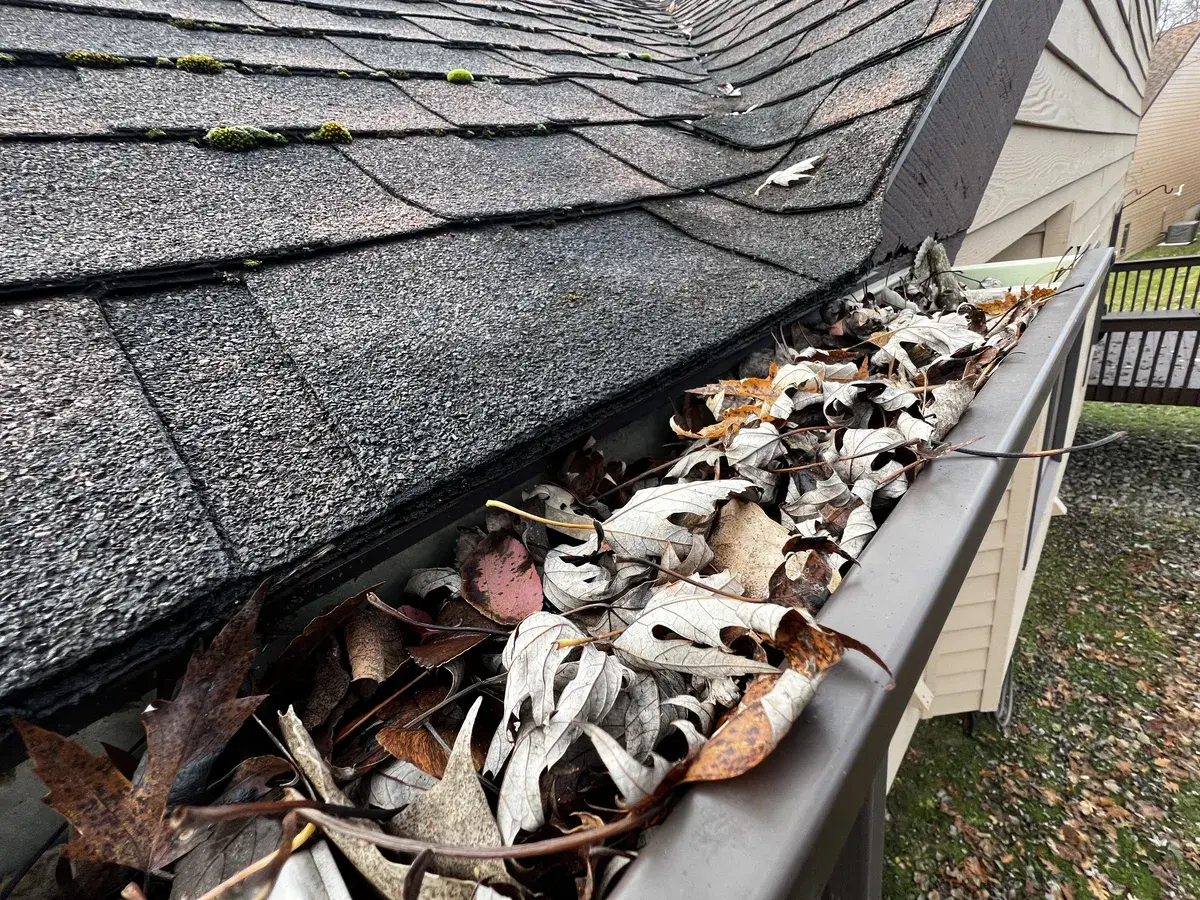
By autumn, the volume of falling leaves from Oaks and Walnuts creates massive blockages. In river-adjacent neighborhoods like Riverview Drive, River Birch and Willow trees drop small twigs year-round, requiring constant vigilance to prevent "beaver dam" style clogs in downspout elbows.
Clogged gutters provide ideal breeding grounds for pests including mosquitoes and rodents.
Risks of Neglect
- Saturated debris weight pulling gutters from fascia
- clay erosion & foundation shifting
- Landscape erosion & water damage
Benefits of Regular Cleaning
- Prepare your home for winter weather
- Protect clay foundation stability
- Stay current with 3x/year recommended schedule
October leaf fall is peaking in Historic Downtown (Court Street) and Riverview Drive — clogged gutters cause water damage and foundation issues.
Schedule October Leaf RemovalArchitectural Considerations
Properties in the Historic Downtown district often feature slate or standing seam metal roofs on Federal and Victorian structures. These roof types have high velocity runoff, meaning water shoots off the roof faster than on asphalt shingles. Gutters here must be kept exceptionally clean to catch this fast-moving water; even minor debris buildup can cause water to overshoot the gutter entirely, damaging the intricate fascia and molding common on these historic homes. In newer subdivisions like Fairview or Spring Hollow, homes often feature complex rooflines with valleys that channel large volumes of water into concentrated gutter sections. These high-flow areas are prone to overflowing if the connected downspouts are restricted by even a small amount of grit or asphalt shingle granules. Furthermore, homes with vinyl siding are susceptible to permanent red staining from clay splashback if gutters fail.
Cleaning Protocol
Inspection
Full assessment of roof, gutters, and downspouts for leaf accumulation, blockages, and fascia condition
Debris Removal
Hand removal of leaves, twigs, and debris from all gutter runs and downspout entries
Clear & Verify
Clear compacted leaf material and verify downspout throughput
Final Check
Verify all downspouts direct water away from clay foundation
Woodstock Gutter Cleaning FAQs
Ready to Protect Your Woodstock Home?
Protect My Home — Free Quote in Minutes