Staten Island Gutter Cleaning
Satellite-Measured. Same-Week Service.
Quote in15 Minutes
PicturesSent
30 DayWarranty
No needTo Be Home
Flat-rate gutter cleaning from $249. Serving the Staten Island area. | Call: 877-736-0586
As Seen On





Clean Pro Gutter Cleaning Staten Island
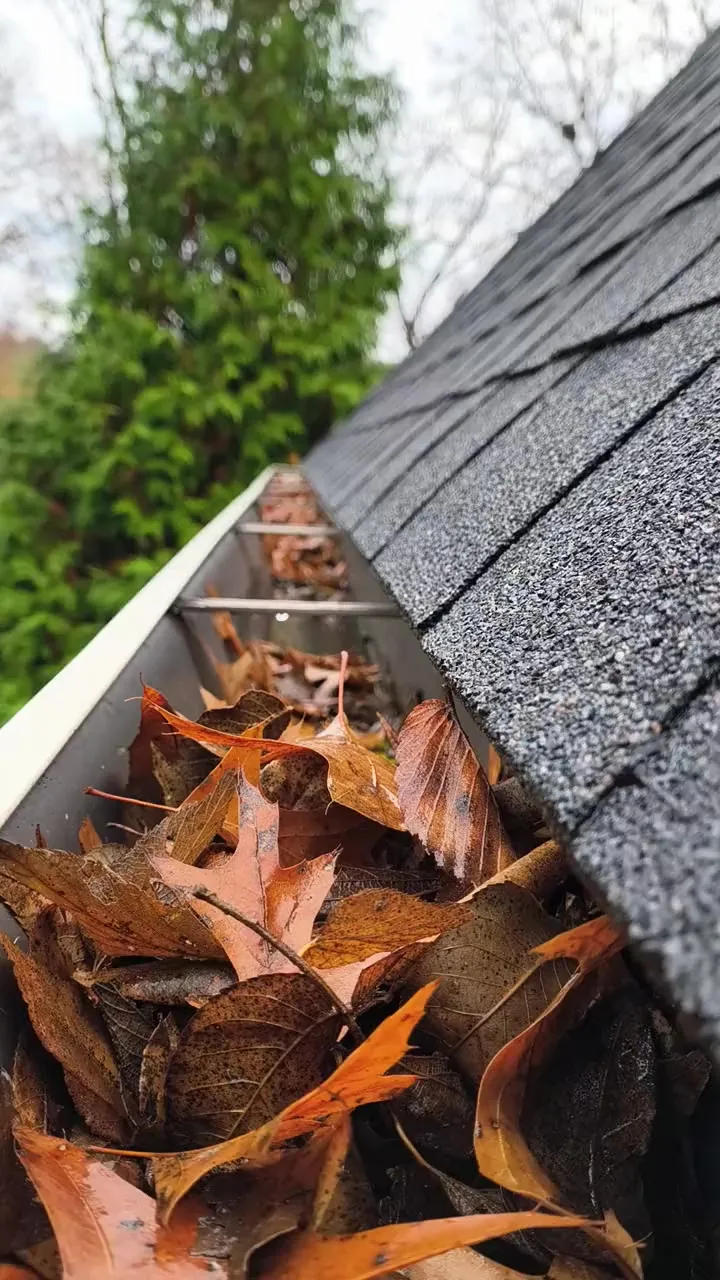
October winds dump Red Oak acorns into drainage channels. Hard nuts clog downspouts and fracture elbows in Lighthouse Hill.
We provide comprehensive coverage across Richmond County, adapting our techniques to the specific terrain and tree density of each neighborhood.
Why Choose Us
Get Your Firm Quote in 15 Minutes
Request your free quote online
Get matched with local pros
Schedule at your convenience
Clean Pro Is Trusted in Staten Island
" This is the second time I've used their service and once again polite, quick, and honest service. "
Donald Stennett
Brooklyn, NY
" Clean Pro was prompt, thorough, and professional. It was so easy to work with them, and I will definitely look to them in the future! "
Josh Wallack
Brooklyn, NY
" On time, got the entire job done with no issues and quickly. Very informative and courteous manner. Also, left with no mess behind. Extremely happy wi... "
Susan Oberberger
Woodbridge Township, NJ
Rated 4.9 stars by 3,696+ happy customers
Your Turn — Free QuoteGutter Cleaning for Staten Island Homes
Staten Island gutter cleaning eliminates Deciduous Leaf Biomass from residential drainage systems. Northern Red Oak catkins trap moisture that triggers hydrostatic pressure against Wethersfield-Ludlow complex foundations.
Gutter Cleaning For Single-Story Standard
Gutter Cleaning For Two-Story High-Access
Gutter Cleaning For Multi-Level Estate
Staten Island Gutter Maintenance Schedule
Staten Island mandates 4 annual cleanings as Northern Red Oak and London Plane Tree shedding accelerates Deciduous Leaf Biomass Accumulation. Routine maintenance prevents hydrostatic pressure in Wethersfield-Ludlow Complex soil that fractures Full Basement foundations.
| Season | Recommended Window | Target Debris & Risk | Why It's Critical |
|---|---|---|---|
| Spring | March – May | Northern Red Oak catkins and Greenbelt vegetation pollen create dense mats. | Runoff saturates Wethersfield-Ludlow Complex soil and damages Full Basement walls. |
| Summer | June – August | Asian Tiger Mosquito activity and German Yellowjacket nesting fills stagnant water. | Overflow dumps water near Slab-on-Grade foundations and accelerates erosion. |
| Fall | September – November | Sweetgum seed pods and Deciduous Leaf Biomass accumulation blocks downspouts. | Heavy weight fractures fascia boards and necessitates costly repairs. |
| Winter | December – February | London Plane Tree leaves and frozen sludge seal gutter channels. | Ice dam formation degrades roof shingles and triggers basement flooding. |
Spring
Recommended Window
March – May
Target Debris & Risk
Northern Red Oak catkins and Greenbelt vegetation pollen create dense mats.Why It's Critical
Runoff saturates Wethersfield-Ludlow Complex soil and damages Full Basement walls.Summer
Recommended Window
June – August
Target Debris & Risk
Asian Tiger Mosquito activity and German Yellowjacket nesting fills stagnant water.Why It's Critical
Overflow dumps water near Slab-on-Grade foundations and accelerates erosion.Fall
Recommended Window
September – November
Target Debris & Risk
Sweetgum seed pods and Deciduous Leaf Biomass accumulation blocks downspouts.Why It's Critical
Heavy weight fractures fascia boards and necessitates costly repairs.Winter
Recommended Window
December – February
Target Debris & Risk
London Plane Tree leaves and frozen sludge seal gutter channels.Why It's Critical
Ice dam formation degrades roof shingles and triggers basement flooding.Key Takeaway
Schedule 4 annual cleanings during these seasonal windows: Spring (March – May), Summer (June – August), Fall (September – November), and Winter (December – February). These align with Staten Island's tree cycles and weather patterns, protecting your foundation, roof, and landscape from water damage and pest infestations.
Staten Island Gutter Defense Against Coastal Storms and Greenbelt Biomass Accumulation
Primary Neighborhoods
Nearby Service Areas
The Richmond County service territory encompasses all borough zip codes and accessible New Jersey bridge crossings.
Outerbridge Crossing Hub
Goethals Bridge Industrial Corridor
Bayonne Bridge Terminals
Verrazzano Narrows Access
Map will load when scrolled into view
New York Service Network
Staten Island is part of our New York gutter cleaning network. View all metro areas, service communities, and regional maintenance guidance.
View All New York Locations Gutter Guard Protection in Staten Island
Northern Red Oak catkins create dense thatch barriers in Tottenville gutters that necessitate cleaning three times annually to maintain water flow. Homeowners in New Dorp Review Clean Pro Guard protection systems available in Staten Island to block catkin intrusion with surgical-grade 304 stainless steel mesh. Clean Pro provides firm quotes at $22.50 per linear foot without requiring in-home consultations.
Staten Island Gutter Cleaning: Glacial Till Soil Hydrostatic Pressure?
Hydrostatic Pressure Buildup Against Residential Basement Walls
Staten Island gutter cleaning prevents hydrostatic pressure buildup against residential basement walls.
The local Wethersfield-Ludlow Complex soil constitutes a dense fragipan that prevents vertical water movement.
This glacial till composition directs rainwater to pool near foundations rather than percolating downward.
Annual rainfall of 47.3 inches compounds this saturation during April, July, and August.
Uncontrolled roof runoff generates hydrostatic pressure that damages full basement walls.
Cracks in the foundation direct moisture into living spaces and trigger mold growth.
Ten-foot downspout extensions displace this water volume away from vulnerable perimeter beams.
This redirection prevents expensive structural repairs associated with slab-on-grade failures.
Wethersfield-Ludlow Complex foundation damage can cost up to $30,000 according to This Old House's 2025 pricing data — more than 100x the cost of a single gutter cleaning.
Mitigating Nor'easter Storm Surges and Ice Dam Formation
Routine drainage maintenance in Staten Island eliminates ice dam accumulation on eaves.
Nor'easters deposit heavy precipitation that overwhelms clogged systems instantly.
Historical events like Hurricane Ida in September 2021 trigger catastrophic basement flooding through rainfall intensity.
High freeze risk mandates clear channels before winter and prevents water solidification under shingles.
Stagnant water creates ice expansion that displaces fascia boards from rafter tails.
Ice accumulations damage interior drywall when melting snow saturates decking behind high ice dam risk zones.
Heavy ice loads damage the fascia and degrade aluminum fasteners.
Professional extraction clears debris paths and protects roofing integrity.
Managing Deciduous Leaf Biomass and Seed Pod Obstructions
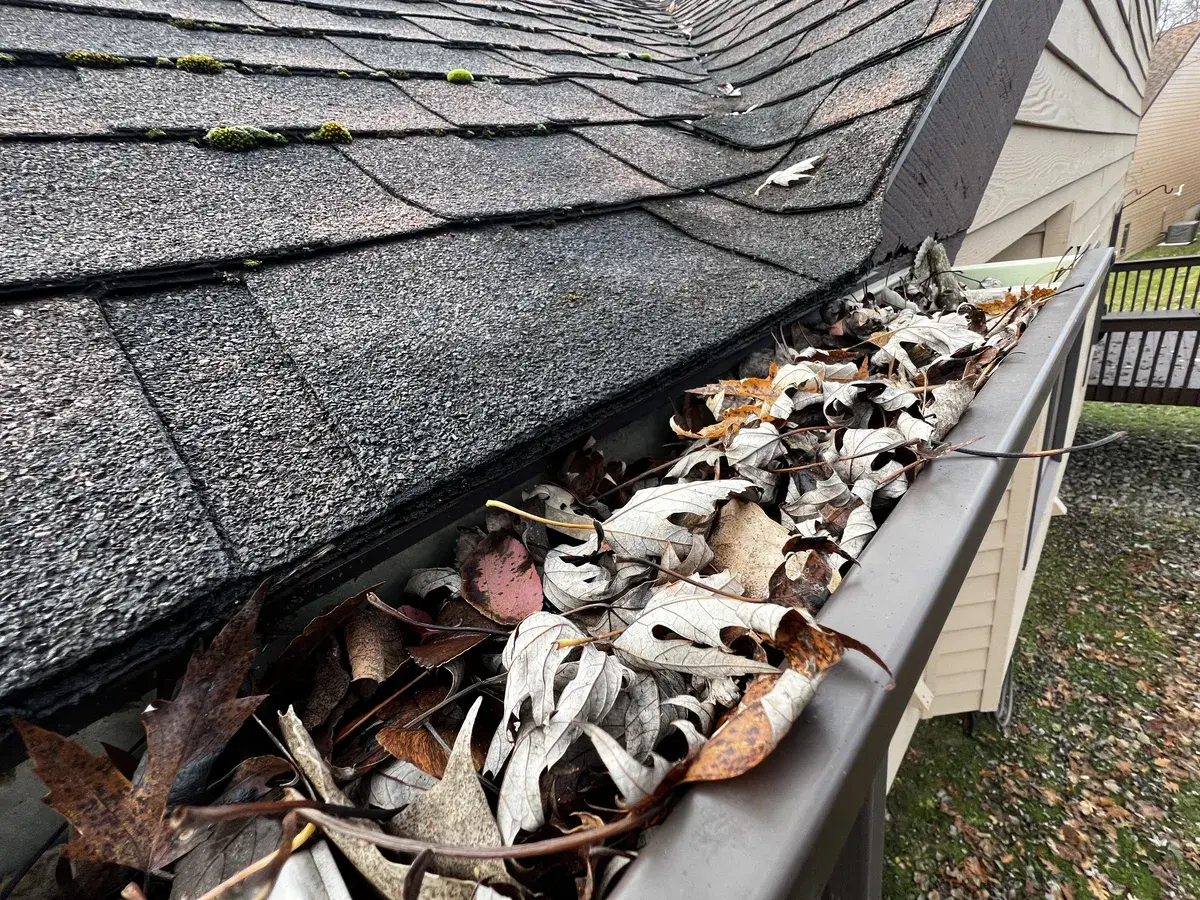
Professional channel clearing across Staten Island removes dense organic blockage materials.
Native tree species deposit biomass that creates water-impermeable mats in aluminum troughs.
These biological barriers saturate the system and accelerate corrosion in metal components.
Decomposing organic sludge creates an acidic environment that degrades zinc coatings.
Stagnant pockets create breeding habitats for Asian Tiger Mosquitoes from June through September.
Dry leaf debris protects German Yellowjacket nests during August through October.
Local Tree Debris Mechanisms:
- Northern Red Oak (Todt Hill): Spring catkins create dense fibrous mats in May.
- London Plane Tree (St. George): Rigid leaves bridge gutter openings from November to January.
- Sweetgum (Arden Heights): Hard seed pods create physical barriers at downspout intakes in December.
Protecting Historic and Modern Rooflines in Richmond County
Scheduled debris extraction in Staten Island protects complex residential drainage infrastructure.
Todt Hill estates constitute complex rooflines where high-volume valley convergence points overwhelm standard 5-inch gutters.
Post-war homes in Great Kills direct upper dormer runoff onto lower sections and accelerate granule loss.
Shared continuous gutter runs in New Springville distribute overflow risks between adjacent properties.
A clog on one side initiates overflow damage on the neighbor's foundation.
Historic properties in St. George necessitate careful handling of aging copper systems.
Neglected maintenance eliminates material warranties and degrades the curb appeal of Victorian architecture in Tottenville.
Proper flow alignment protects the structural longevity of these diverse housing stocks.
Risks of Neglect
- Northern Red Oak leaf fall overwhelming gutters
- Saturated debris weight pulling gutters from fascia
- Wethersfield-Ludlow Complex erosion & foundation shifting
- London Plane Tree debris compounding blockages
Benefits of Regular Cleaning
- Clear Northern Red Oak leaves before winter freeze
- Prepare your home for winter weather
- Protect Wethersfield-Ludlow Complex foundation stability
- Stay current with 4x/year recommended schedule
October Northern Red Oak leaf drop is filling Todt Hill gutters — clear them before winter freeze.
Schedule October Leaf RemovalArchitectural Considerations
The diverse housing stock on Staten Island dictates specific service protocols. Historic homes in neighborhoods like Tottenville and Randall Manor often feature slate or original cedar roofing. These materials are fragile and cannot support direct foot traffic. Maintenance on these properties requires the use of ladder stabilizers or stand-off devices to ensure the technician cleans the gutters without contacting or cracking the delicate roof tiles. For the elevated estates on Grymes Hill and Lighthouse Hill, wind exposure from the harbor and ocean is a constant stressor. Standard gutter installation practices often prove inadequate against the high winds of a Nor'easter. Properties in these high-elevation zones benefit from checking that hanger brackets are spaced more frequently to prevent the gutter system from pulling away from the fascia under the combined load of wind and wet debris.
Cleaning Protocol
Inspection
Full assessment of roof, gutters, and downspouts for leaf accumulation, blockages, and fascia condition
Debris Removal
Hand removal of Northern Red Oak and London Plane Tree debris from all gutter runs and downspout entries
Clear & Verify
Clear compacted Northern Red Oak material and verify downspout throughput
Final Check
Verify all downspouts direct water away from Wethersfield-Ludlow Complex foundation
Staten Island Gutter Cleaning FAQs
Ready to Protect Your Staten Island Home?
Protect My Home — Free Quote in Minutes