Fraud Blocker

How Often Should Gutters Be Cleaned in Springfield?


Most Springfield homeowners should clean their gutters twice a year, in spring and fall, but more frequent cleaning is necessary for properties near mature trees, steep-pitched roofs, or areas with heavy rainfall.

According to the U.S. General Services Administration, gutters on Springfield homes should be cleared of debris at least twice a year to prevent blockages and water damage. The U.S. Department of Energy notes that even a few inches of rainfall in Springfield can generate thousands of gallons of runoff, more than enough to overload a clogged or poorly maintained drainage system.

This guide explains how Springfield’s weather conditions, local tree varieties, and common housing designs influence the ideal gutter cleaning schedule for your home.

General Gutter Cleaning Recommendations (US Guidelines)

The U.S. General Services Administration (GSA), along with leading federal and industry authorities, recommends that Springfield homeowners follow a baseline of biannual gutter cleaning, once in late spring and once in late fall. These periods align with peak debris accumulation: spring brings blossoms and seed pods, while autumn delivers heavy leaf fall.

Beyond this baseline, GSA technical guidelines emphasize increased vigilance under specific conditions. During peak leaf-drop in fall, weekly gutter checks are advised. In winter, monthly inspections help detect ice dams or snow-related blockages. After severe weather events, immediate gutter checks are strongly recommended to prevent overflow or system failure.

The National Association of Home Builders (NAHB) and the National Roofing Contractors Association (NRCA) endorse this spring/fall maintenance cycle as the industry standard. Their priority is mitigating structural risks, especially water-related damage to roofing systems, siding materials, and foundational elements.

Adding environmental context, the U.S. Department of Energy notes that even modest rainfall in Springfield can generate thousands of gallons of roof runoff. Without effective drainage, this water can pool around the foundation or seep into basements, triggering long-term structural issues and moisture-related hazards.

While biannual cleaning is a widely accepted national benchmark, it may not be sufficient for all Springfield properties. In the next sections, we’ll examine how Springfield-specific factors such as mature tree density, severe storm frequency, steep roof angles, and regional soil absorption rates can elevate your required gutter maintenance frequency.

Get A Quote & Schedule – Act Now!

Local Factors That Affect Gutter Cleaning Frequency in Springfield

1. Seasonal Weather Extremes

2. Tree Coverage and Native Species

3. Heavy Spring and Summer Rainfall

4. Freeze-Thaw Damage in Winter

5. Local Soil and Drainage Risk

6. Debris Type and Weight

How Seasons Influence Gutter Maintenance Needs in Missouri

Missouri’s four distinct seasons bring unique challenges to residential gutter systems, particularly in Springfield, where frequent rainfall, freeze-thaw fluctuations, and mature tree coverage often intersect. Recognizing these seasonal stressors is key to preventing clogs, structural water damage, and high-cost repairs.

Winter: Ice Dams and Structural Stress

Springfield winters often fluctuate between freezing and thawing, creating ideal conditions for ice dams to form. When gutters are clogged with debris, melting snow refreezes and blocks drainage paths. This forces water beneath shingles, causing roof leaks and interior water intrusion. The repeated freeze-thaw cycle places stress on gutter seams and mounting brackets, leading to sagging or full detachment. Clearing gutters in late fall is essential to prevent these cold-weather failures.

Spring: Rainfall and Seed Pod Accumulation

Spring in Springfield signals the start of the rainy season, with substantial precipitation from May through August. Functional gutters are critical for redirecting this surge of runoff away from the foundation. During late spring, native trees like Silver Maples and Pin Oaks release seed pods and helicopter-like seeds that frequently lodge in downspouts. If not cleared promptly, they can cause major system blockages just as rainfall intensifies.

Summer: Storm Debris and System Strain

In Springfield, summer storms often bring strong winds, heavy rain, and windborne debris. Even gutters cleaned in spring may clog again after just one severe weather event. Mid-summer inspections are necessary to identify and remove storm-related debris buildup, especially for homes with mature trees or complex roof geometries that increase debris catchment.

Fall: Leaf Volume and Ice Risk Preparation

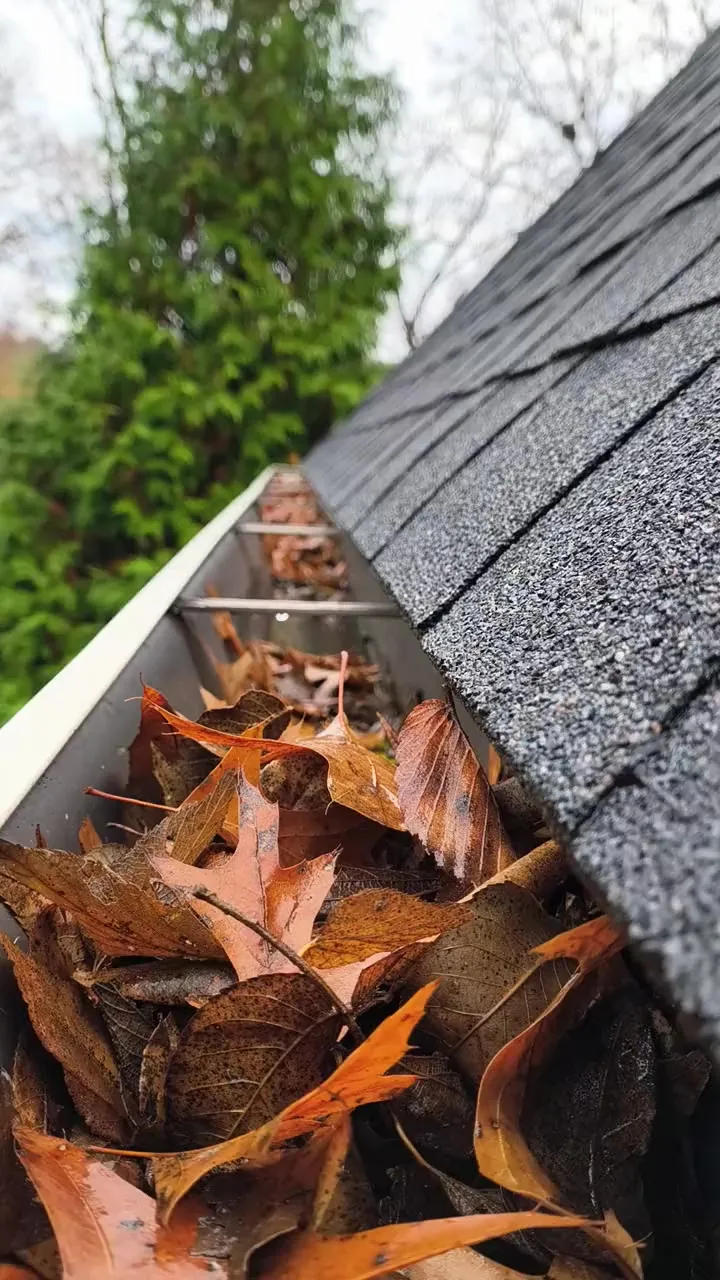
Autumn in Springfield contributes the heaviest volume of organic debris to gutter systems. Deciduous trees shed leaves, acorns, and pine needles in dense layers that absorb water and add weight to gutter channels. If left in place, this wet organic matter traps moisture, creating the ideal environment for ice dams in winter. Late-season cleaning, typically in November or early December, is key to ensuring that gutter systems remain clear and structurally sound before freezing temperatures arrive.

How to Know It’s Time to Clean Your Gutters

Recognizing the early signs of clogged gutters helps Springfield homeowners prevent water damage, roof deterioration, and costly foundation repairs. Below are the most reliable indicators that your gutters need immediate attention:

1. Water Overflow During Rainfall

If rainwater pours over the edge of your gutters in Springfield rather than draining through downspouts, a major blockage is likely. Overflow often results in basement leaks, soil erosion, and foundation saturation.

2. Sagging or Pulling Away From the Roofline

Gutters that sag or detach from the fascia are typically overloaded with debris or standing water. This excess weight places stress on mounting brackets and can lead to gutter collapse, damaging siding and eaves in the process.

3. Vegetation or Plant Growth

The appearance of weeds, moss, or saplings sprouting from your gutter system means organic buildup has persisted for months. This debris mix retains moisture and supports plant growth, signaling long-term neglect.

4. Visible Debris or “Tiger Stripes”

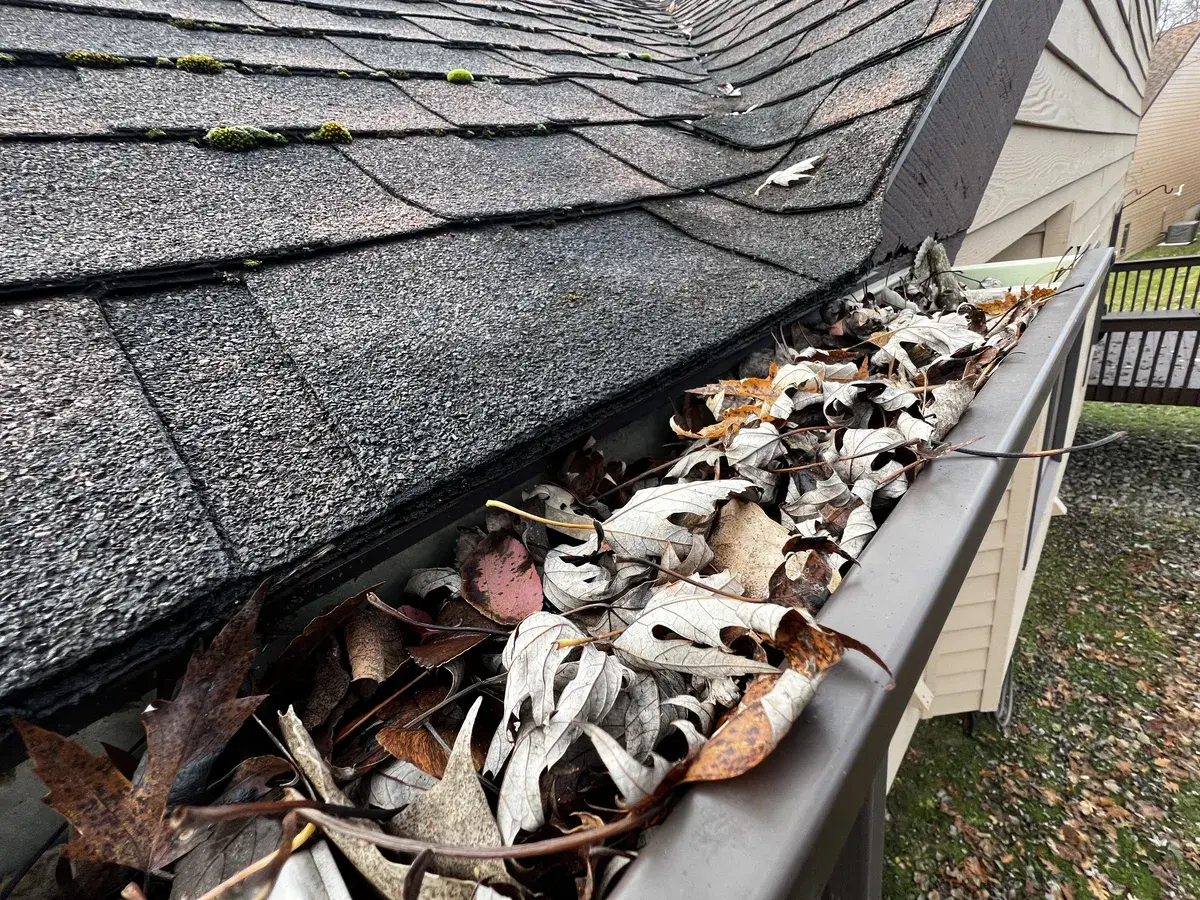
If leaves, twigs, or sediment are visible from ground level or if you spot dark vertical streaks on the gutter face, your system is likely clogged. These “tiger stripes” form when dirty water spills over repeatedly, leaving residue behind.

5. Mold, Mildew, or Algae on Siding or Roof

Biological growth near the gutter line is often caused by chronic moisture buildup. In Springfield’s humid months, this growth accelerates and may lead to roof decay or siding rot if left unchecked.

6. Soil Erosion or Pooling Water Near the Foundation

Gutters should channel water at least 3–5 feet from the home. If you notice cracked soil, puddling, or muddy patches near your foundation, improper runoff management is likely the cause, posing serious structural risks in Springfield’s clay-rich soil zones.

7. Insect or Animal Activity

In Springfield, clogged gutters create standing water that attracts mosquitoes, ants, and nesting birds or rodents. Insect breeding or animal nesting inside your gutters disrupts water flow and increases the risk of backups.

Suggested Cleaning Schedules for Springfield Homeowners

Twice-Yearly (Minimum)

Three Times Per Year

Quarterly (Every 3 Months)

Post-Storm or As-Needed Cleaning

What Does Gutter Cleaning Cost in Springfield?

What’s The Best Gutter Cleaning Service in Springfield?

Why Choose Clean Pro Gutter Cleaning?

A Personal Promise from Clean Pro’s Owner:

“Homeowners can count on me and my team at Clean Pro for exceptional results. We have been in business since 2001 and served Tens of thousands customer since that time. ”

– Jonathan D. Byrd I, Founder & CEO

Ready to Protect Your Home?