Fraud Blocker

How Often Should Gutters Be Cleaned in Lansing?


Most Lansing homeowners should clean their gutters at least twice a year, in spring and fall, but homes near mature trees, with steep rooflines, or exposed to heavy rainfall may require more frequent cleanings.

The U.S. General Services Administration recommends cleaning gutter systems twice per year to prevent clogs and structural water damage. According to the U.S. Department of Energy, even minimal rainfall, just a few inches, can generate thousands of gallons of runoff, which can easily overwhelm an unmaintained gutter system.

This guide examines how Lansing’s weather conditions, native tree species, and common home designs influence the optimal gutter cleaning schedule.

General Gutter Cleaning Recommendations (US Guidelines)

The U.S. General Services Administration (GSA), along with multiple federal and industry authorities, recommends a baseline of two gutter cleanings per year, once in late spring and again in late fall. These intervals align with peak seasonal debris: seed pods and blossoms in spring, and significant leaf fall in autumn.

The GSA’s technical guidance expands on this minimum, advising increased inspection under specific conditions. During active leaf drop in the fall, weekly gutter checks are recommended. In winter, monthly inspections help identify ice dams and snow-related blockages. After any severe weather event, immediate inspection is essential.

The National Association of Home Builders (NAHB) and the National Roofing Contractors Association (NRCA) both endorse the spring/fall schedule as a standard across residential properties. Their shared concern is preventing water-related structural damage, particularly to roofing, siding, and foundations.

For further context, the U.S. Department of Energy notes that even modest rainfall can result in thousands of gallons of runoff from a standard rooftop. Without proper drainage, this water can infiltrate basements or erode a home’s foundation, leading to serious long-term risks.

While the twice-yearly cleaning schedule is a trusted national baseline, it may not be sufficient for all properties. In the following sections, we’ll explore how Lansing-specific variables, such as dense tree canopy, storm frequency, steep roof slopes, and local soil absorption, can influence your ideal gutter maintenance frequency.

Get A Quote & Schedule – Act Now!

Local Factors That Affect Gutter Cleaning Frequency in Lansing

1. Seasonal Weather Extremes

2. Tree Coverage and Native Species

3. Heavy Spring and Summer Rainfall

4. Freeze-Thaw Damage in Winter

5. Local Soil and Drainage Risk

6. Debris Type and Weight

How Seasons Influence Gutter Maintenance Needs in Michigan

Michigan’s four distinct seasons present unique challenges for residential gutter systems, especially in cities like Lansing, where mature tree cover, heavy rainfall, and frequent freeze-thaw cycles intersect. Recognizing these seasonal stressors is critical to avoiding clogs, moisture intrusion, and expensive structural repairs.

Winter: Ice Dams and Structural Stress

Lansing winters often oscillate between freezing nights and milder daytime thaws. This fluctuation creates ice dams when clogged gutters trap melting snow. Water backs up beneath shingles, causing roof leaks and interior water damage. The constant freeze-thaw cycle strains gutter seams and brackets, frequently leading to sagging or detachment. Late fall cleaning is essential to minimize winter-related risks.

Spring: Rainfall and Seed Pod Accumulation

Spring initiates Lansing’s wet season, with heavy rains common from May through August. Functional gutters are critical for redirecting this runoff away from foundations. Local species like Silver Maples and Pin Oaks release seed pods and helicopters during late spring, which frequently clog gutter channels if not removed in time.

Summer: Storm Debris and System Strain

Lansing’s summer thunderstorms bring strong winds and airborne debris that can rapidly clog gutter systems, even those cleaned in spring. Homes with mature tree coverage or multiple roof planes benefit from mid-summer inspections to catch blockages early and avoid overflow during peak rainfall events.

Fall: Leaf Volume and Ice Risk Preparation

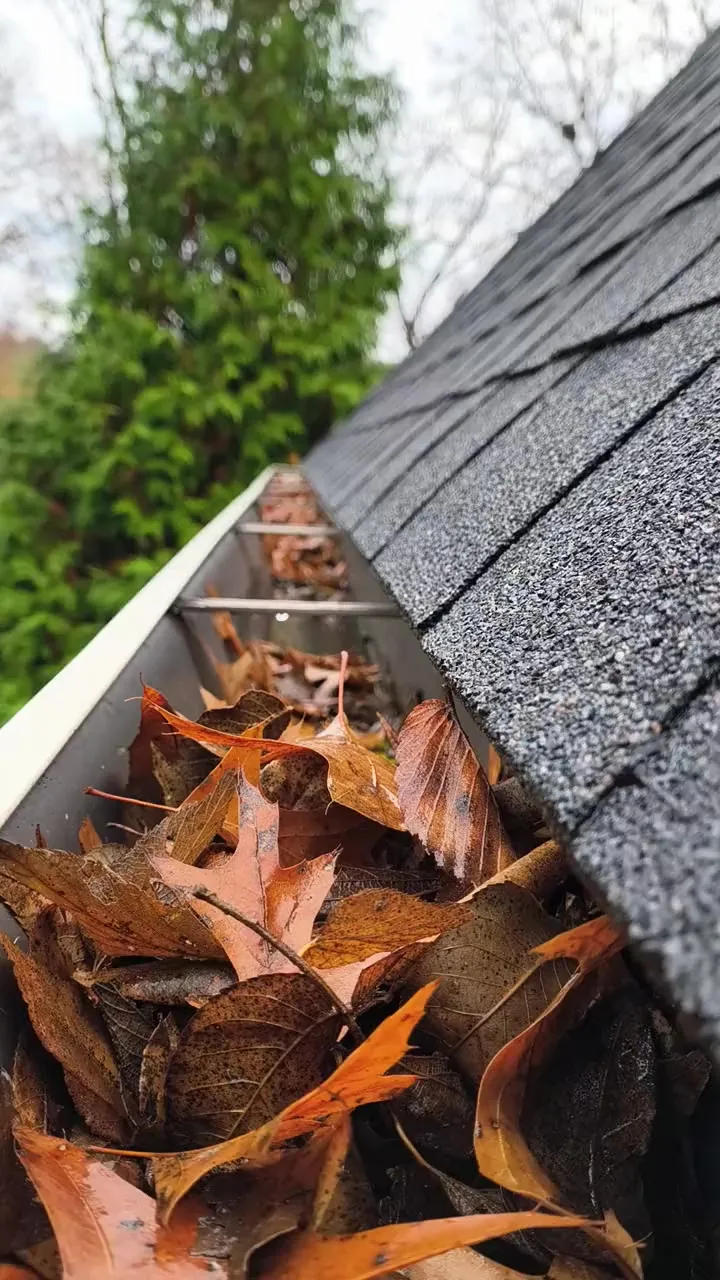
Autumn in Lansing produces the heaviest annual debris load. Deciduous trees shed large volumes of leaves, pine needles, and acorns, materials that quickly saturate and weigh down gutter systems. Left uncleared, this buildup retains moisture, creating ideal conditions for winter ice dams. Cleaning gutters by late November or early December prepares the system for freezing weather.

How to Know It’s Time to Clean Your Gutters

Recognizing early signs of clogged gutters helps Lansing homeowners avoid costly repairs from water intrusion and foundation cracks, to roof damage. Below are the most reliable indicators that your gutter system needs immediate attention:

1. Water Overflow During Rainfall

If rainwater spills over gutter edges instead of exiting through downspouts, a significant blockage is likely. In Lansing, this overflow can saturate foundations, flood basements, and erode landscaping, especially during spring and summer storms.

2. Sagging or Pulling Away From the Roofline

Gutters pulling away from the roofline or visibly sagging are carrying excess weight from trapped debris or stagnant water. This stress can lead to full detachment and damage to your fascia, eaves, or siding.

3. Vegetation or Plant Growth

Weeds, moss, or small plants sprouting from the gutter channel indicate long-term neglect. In Lansing’s humid spring and fall seasons, organic buildup creates the perfect environment for plant growth.

4. Visible Debris or “Tiger Stripes”

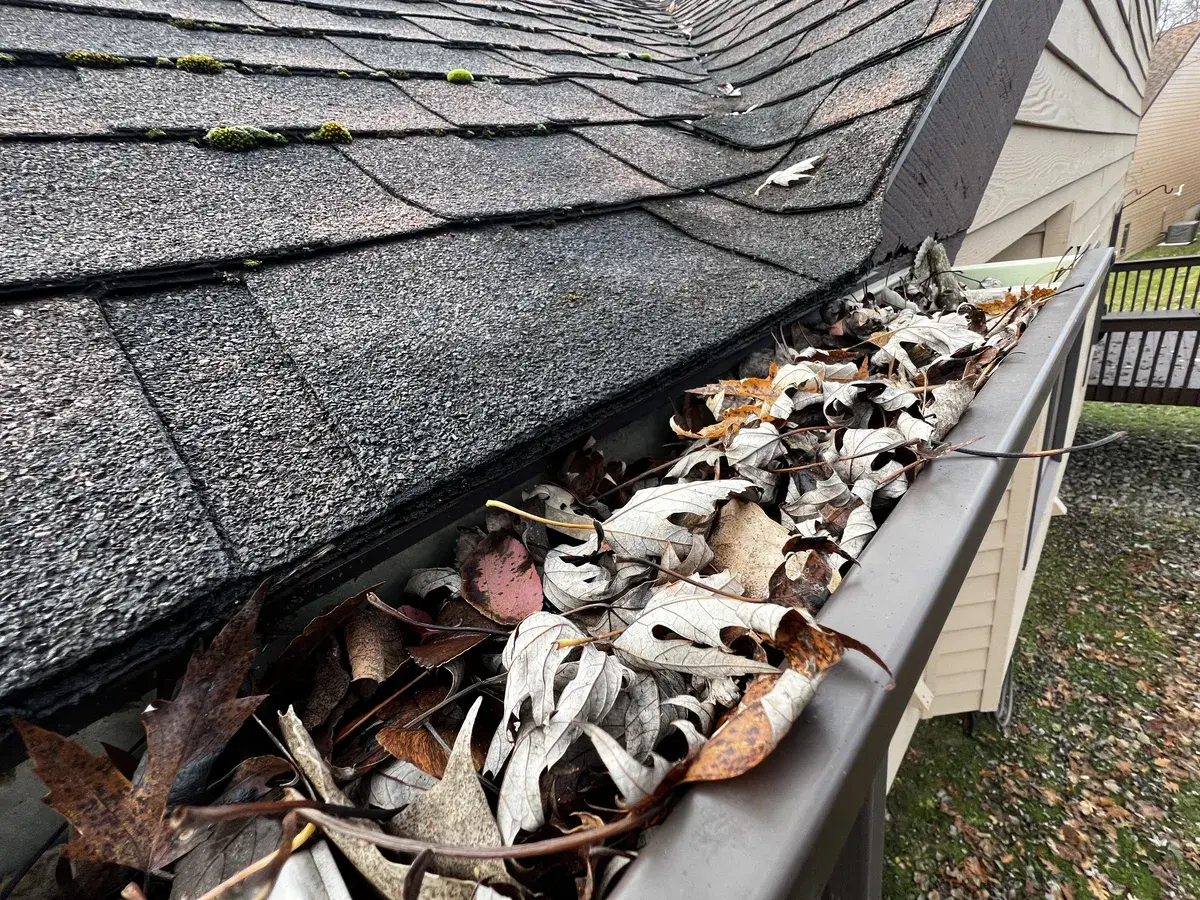
Leaves, twigs, or mud visible from the ground or dark vertical streaks known as tiger stripes signal that gutters are clogged and overflowing. These stains result from dirty water consistently spilling over the edge.

5. Mold, Mildew, or Algae on Siding or Roof

Constant gutter overflow keeps moisture against the structure, leading to biological growth. In Lansing’s temperate climate, this results in roof shingle deterioration, wood rot, and siding damage over time.

6. Soil Erosion or Pooling Water Near the Foundation

Water should discharge 3 to 5 feet from your home. If you see pooling, muddy areas, or cracks forming near the foundation, it’s a clear sign your gutters are failing to divert runoff properly.

7. Insect or Animal Activity

If mosquitoes, birds, or rodents are active around or inside your gutters, stagnant water and organic debris may be attracting them. Pests accelerate clogs and create breeding conditions that block drainage further.

Suggested Cleaning Schedules for Lansing Homeowners

Twice-Yearly (Minimum)

Three Times Per Year

Quarterly (Every 3 Months)

Post-Storm or As-Needed Cleaning

What Does Gutter Cleaning Cost in Lansing?

What’s The Best Gutter Cleaning Service in Lansing?

Why Choose Clean Pro Gutter Cleaning?

A Personal Promise from Clean Pro’s Owner:

“Homeowners can count on me and my team at Clean Pro for exceptional results. We have been in business since 2001 and served Tens of thousands customer since that time. ”

– Jonathan D. Byrd I, Founder & CEO

Ready to Protect Your Home?