Fraud Blocker

How Often Should Gutters Be Cleaned in Westminster?


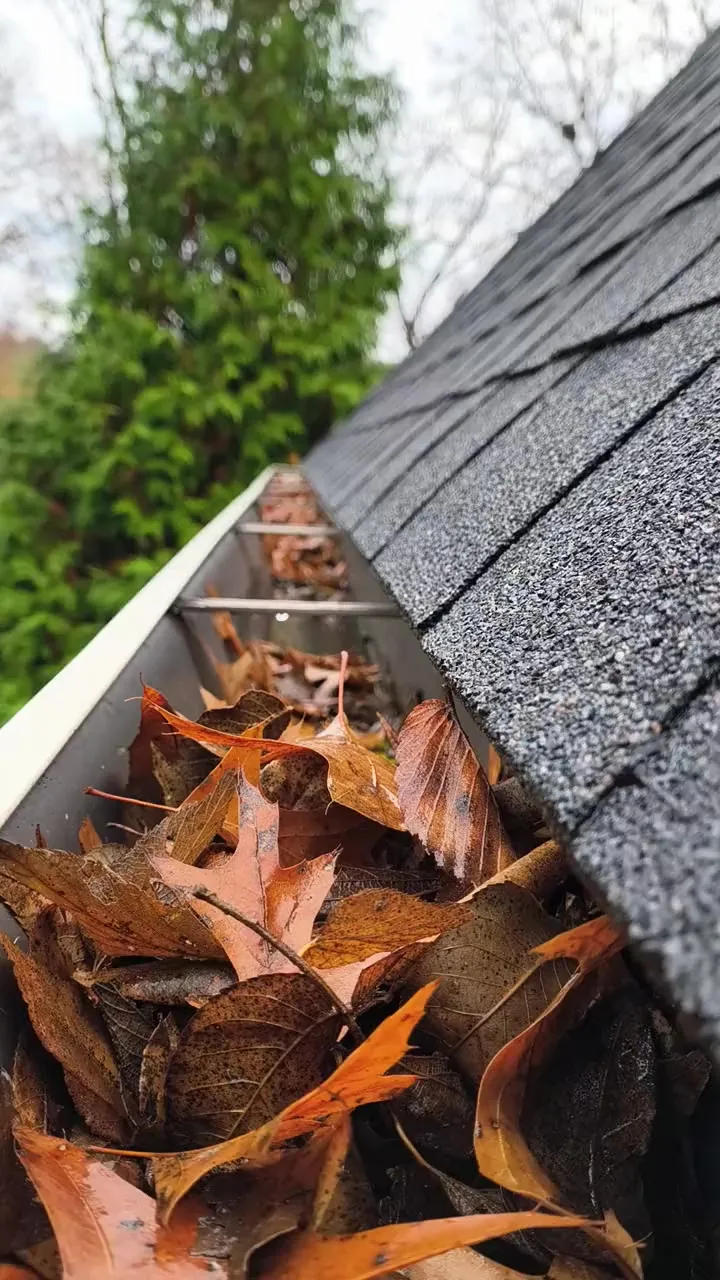
Most Westminster homeowners should clean their gutters at least twice a year, typically once in the spring and again in the fall. However, homes surrounded by mature trees like cottonwoods or maples, those with steep-pitched roofs, or properties located in areas with frequent windstorms or hail may require more frequent maintenance.

According to the U.S. General Services Administration (GSA), all gutter systems should be cleared of debris at least twice annually to prevent overflow and potential foundation damage. The U.S. Department of Energy emphasizes that even a light rain event can generate thousands of gallons of roof runoff, which can quickly overwhelm clogged or poorly maintained gutters.

In this guide, we’ll explore how Westminster’s seasonal weather shifts, native tree species, and typical roof designs impact your home’s ideal gutter cleaning schedule.

General Gutter Cleaning Recommendations (US Guidelines)

The U.S. General Services Administration (GSA), in coordination with several federal and industry organizations, recommends a minimum of two gutter cleanings per year, typically scheduled for late spring and late fall. These timeframes align with national debris peaks: blossoms and seed pods in spring, followed by leaf accumulation in autumn.

However, the GSA’s technical guidelines also advise homeowners to remain alert during specific conditions. For example, weekly inspections during fall are recommended when leaf drop is active, and monthly checks in winter can help identify ice dams or snow-related obstructions. Following severe weather events, gutters should be inspected immediately for storm debris.

Supporting this protocol, the National Association of Home Builders (NAHB) and the National Roofing Contractors Association (NRCA) also promote this spring/fall cleaning cycle to prevent water-related structural damage, especially to a home’s roof, siding, and foundation.

Additionally, the U.S. Department of Energy emphasizes that even minor rainfall can create thousands of gallons of runoff from a single roof. Without an efficient drainage system, that water can infiltrate basements or destabilize the foundation, causing expensive long-term damage.

While this biannual schedule serves as a solid national benchmark, it may not be enough for all properties. In the next section, we’ll explore how Westminster-specific conditions, including tree density, wind-driven storm patterns, roof geometry, and local soil expansion risks, can influence how often your gutters should be professionally cleaned.

Get A Quote & Schedule – Act Now!

Local Factors That Affect Gutter Cleaning Frequency in Westminster

1. Seasonal Weather Extremes

2. Tree Coverage and Native Species

3. Heavy Spring and Summer Rainfall

4. Freeze-Thaw Damage in Winter

5. Local Soil and Drainage Risk

6. Debris Type and Weight

How Seasons Influence Gutter Maintenance Needs in Colorado

Colorado’s four-season climate presents distinct challenges for residential gutter systems, especially in cities like Westminster, where elevation-driven snow cycles, spring runoff, and seasonal windstorms converge. Addressing these regional stressors is key to preventing clogged gutters, structural damage, and costly repairs.

Winter: Ice Dams and Structural Stress

Westminster winters often alternate between sun and subfreezing temperatures. When gutters are clogged with snow or debris, melting runoff can refreeze overnight, forming ice dams that push water under shingles and into ceilings. Repeated freeze-thaw cycles also strain gutter seams and brackets, leading to sagging or detachment. Cleaning gutters in late fall is critical for winter readiness.

Spring: Rainfall and Seed Pod Accumulation

As Colorado transitions out of winter, rapid snowmelt and seasonal rainstorms can overwhelm gutters, especially when combined with spring seed pods from Cottonwoods and other local species. Clean gutters are essential to direct this high-volume runoff away from foundations and prevent pooling water near basements.

Summer: Storm Debris and System Strain

Summer in Westminster brings severe thunderstorms, including hail, high winds, and blowing debris. Even if gutters were cleaned in spring, a single storm can fill them with twigs, granules, and broken foliage. Mid-season inspections help ensure your system remains functional and avoids sudden overflows.

Fall: Leaf Volume and Ice Risk Preparation

Colorado’s deciduous trees shed large volumes of leaves, pine needles, and seed husks in the fall. If not cleared, this material holds moisture, increasing the risk of freezing blockages and bracket strain during early snow events. Gutter cleaning in late November or early December is essential to prepare for winter’s challenges.

How to Know It’s Time to Clean Your Gutters

Spotting early signs of clogged gutters can help Westminster homeowners prevent costly issues like foundation cracking, siding deterioration, and interior leaks. Below are the most common indicators that your gutter system needs immediate attention:

1. Water Overflow During Rainfall

If water spills over the sides during storms instead of draining through downspouts, there’s likely a serious clog. In Westminster, where spring runoff and summer storms are common, this can lead to foundation erosion, landscape washouts, and basement seepage.

2. Sagging or Pulling Away From the Roofline

Gutters that sag or pull away from the fascia are likely holding too much weight from debris or standing water. This stress can result in permanent damage to roof edges and siding, especially during Colorado’s heavy snow and ice buildup.

3. Vegetation or Plant Growth

If you notice moss, weeds, or small saplings growing from your gutters, it’s a clear sign that organic debris and moisture have been sitting there long enough to support vegetation. This typically reflects months of neglect.

4. Visible Debris or “Tiger Stripes”

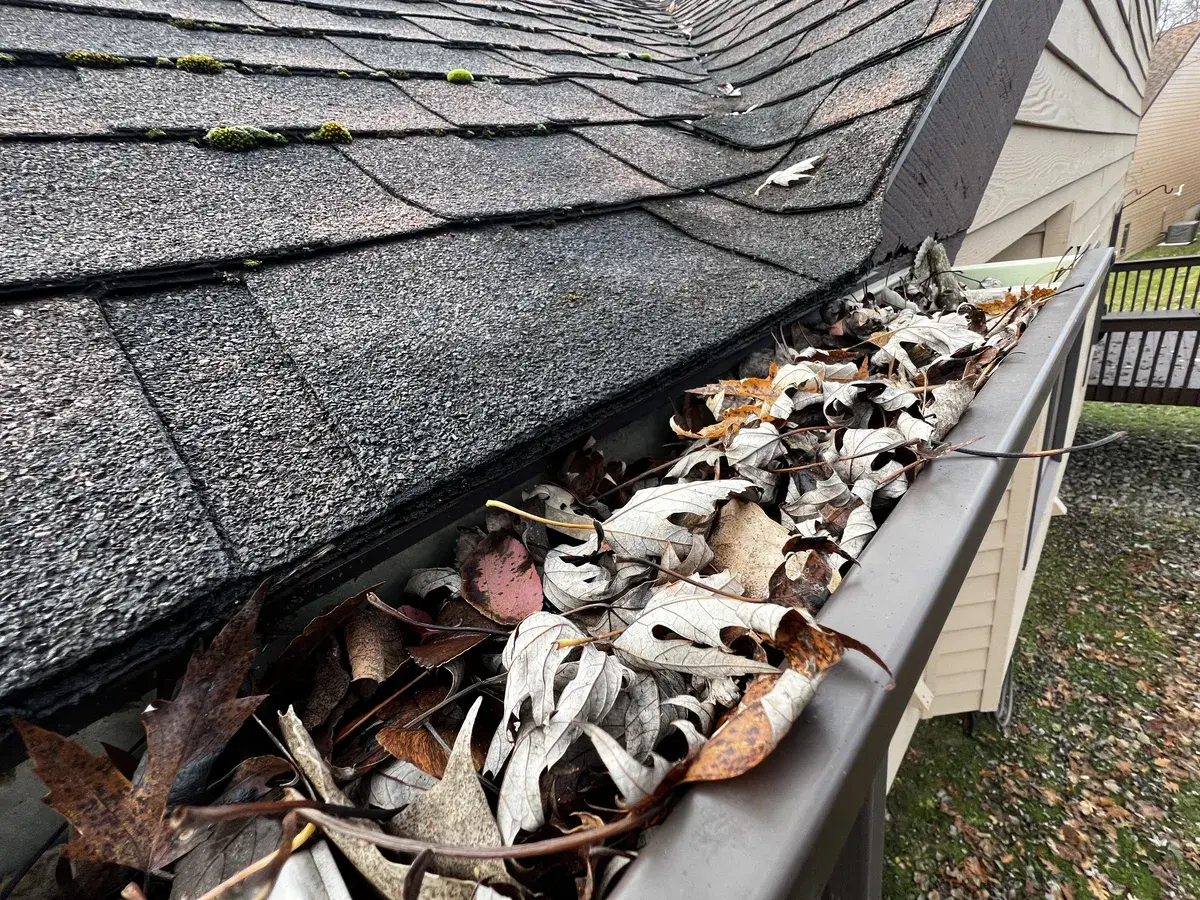
Leaves, mud, and twigs visible from the ground or dark streaks on the gutter’s face indicate overflow and staining from trapped water. These “tiger stripes” are signs your system hasn’t drained properly in a while.

5. Mold, Mildew, or Algae on Siding or Roof

Persistent dampness caused by overflowing gutters encourages mold, mildew, and algae growth along your siding and roofline. Left unchecked, this can compromise the structural integrity of wood and roofing materials.

6. Soil Erosion or Pooling Water Near the Foundation

Water pooling at the base of your home is a major warning sign. In Westminster’s clay-rich soil, poor gutter drainage can cause foundation shifting, cracks, and moisture intrusion into basements or crawl spaces.

7. Insect or Animal Activity

If you see mosquitoes, ants, or birds nesting in or near your gutters, clogged sections may be holding stagnant water. These areas provide the ideal habitat for pests and can accelerate further blockage.

Suggested Cleaning Schedules for Westminster Homeowners

Twice-Yearly (Minimum)

Three Times Per Year

Quarterly (Every 3 Months)

Post-Storm or As-Needed Cleaning

What Does Gutter Cleaning Cost in Westminster?

What’s The Best Gutter Cleaning Service in Westminster?

Why Choose Clean Pro Gutter Cleaning?

A Personal Promise from Clean Pro’s Owner:

“Homeowners can count on me and my team at Clean Pro for exceptional results. We have been in business since 2001 and served Tens of thousands customer since that time. ”

– Jonathan D. Byrd I, Founder & CEO

Ready to Protect Your Home?